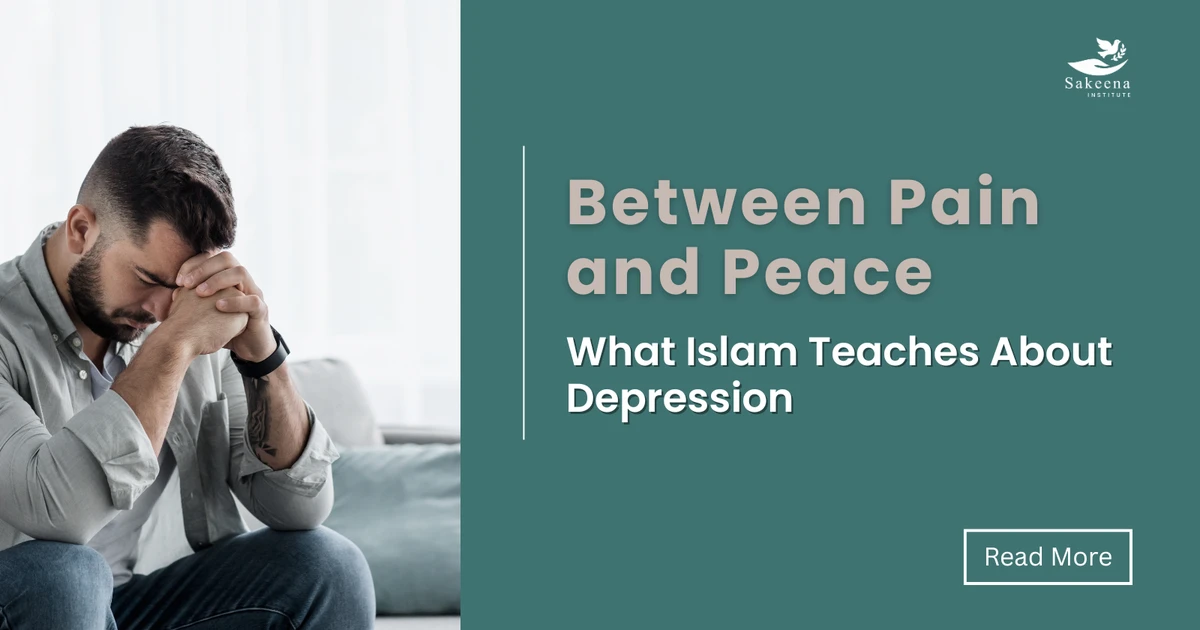

Many people who experience sadness, stress, or emotional exhaustion naturally turn to the Quran for comfort and grounding. Islamic teachings acknowledge emotional struggle while gently guiding believers toward hope, patience, and healing.
Islam does not dismiss emotional pain. Instead, it recognizes it as part of being human. Through the Quran, the teachings of the Prophet Muhammad peace be upon him, and spiritual practices, believers are reminded that they are never alone in what they feel. Alongside prayer, reflection, and remembrance of Allah, seeking support from trusted people and professionals is also encouraged as part of a balanced path to healing.
Islam and Depression Quran Verses That Bring Comfort
When discussing Islam and depression Qur’an verses for depression, it becomes clear that Islam encourages believers to find strength in faith during difficult times. Life is described in the Qur’an as a series of tests, but always paired with reassurance that ease follows hardship
فَإِنَّ مَعَ الْعُسْرِ يُسْرًا إِنَّ مَعَ الْعُسْرِ يُسْرًا
Indeed with hardship comes ease, indeed with hardship comes ease
(Surah Ash Sharh)
Many Muslims cope with emotional distress by turning to Qur’anic verses, supplication and reflection. These moments of connection offer a powerful reminder that pain is temporary and that Allah’s mercy is always present.
Islam also teaches that feeling sadness does not weaken faith. In fact, emotional struggle can deepen a person’s relationship with Allah, turning hardship into spiritual growth.
Understanding Depression in Islam
Depression as understood today was not described in clinical terms in classical Islamic texts, but emotional suffering, grief, and sadness are clearly acknowledged.
The Quran and Sunnah include powerful examples of prophets who experienced deep emotional pain. These stories remind believers that hardship is part of the human journey.
For example, Prophet Yaqub peace be upon him grieved deeply over the loss of his son Yusuf peace be upon him and the Qur’an describes his sorrow
وَتَوَلَّىٰ عَنْهُمْ وَقَالَ يَا أَسَفَىٰ عَلَىٰ يُوسُفَ وَابْيَضَّتْ عَيْنَاهُ مِنَ الْحُزْنِ فَهُوَ كَظِيمٌ
And he turned away from them and said oh my sorrow over Yusuf and his eyes became white from grief and he was filled with sorrow
(Surah Yusuf)
Similarly Prophet Muhammad peace be upon him experienced immense grief during the Year of Sorrow after losing his wife Khadijah may Allah be pleased with her and his uncle Abu Talib.
These moments show something important emotional pain is not a sign of weak faith. Even the most righteous people experienced sorrow while continuing to trust Allah.
The Islamic Perspective on Emotional Struggles
The Islamic perspective on depression is rooted in patience hope and trust in Allah. Rather than denying pain Islam acknowledges it and offers ways to move through it with faith and resilience.
One of the most powerful examples is Prophet Yaqub peace be upon him who said
إِنَّمَا أَشْكُو بَثِّي وَحُزْنِي إِلَى اللَّهِ
I only complain of my suffering and grief to Allah
(Surah Yusuf)
This shows that expressing pain to Allah is not only allowed but encouraged. Turning to Him in moments of sadness is an act of faith not weakness.
The life of Prophet Muhammad peace be upon him also reflects this balance between grief and hope. Even in moments of deep emotional loss he remained connected to Allah through prayer and trust.
Quran Verses That Bring Peace During Depression
The Qur’an offers many verses that provide comfort to those struggling emotionally. These verses remind believers of Allah’s mercy closeness and promise of relief.
Ease After Hardship
فَإِنَّ مَعَ الْعُسْرِ يُسْرًا إِنَّ مَعَ الْعُسْرِ يُسْرًا
Indeed with hardship comes ease indeed with hardship comes ease
(Surah Ash Sharh)
This verse reassures us that no difficulty is permanent and that relief is always on its way.
Allah’s Mercy
قُلْ يَا عِبَادِيَ الَّذِينَ أَسْرَفُوا عَلَىٰ أَنفُسِهِمْ لَا تَقْنَطُوا مِن رَحْمَةِ اللَّهِ ۚ إِنَّ اللَّهَ يَغْفِرُ الذُّنُوبَ جَمِيعًا
Say O My servants who have transgressed against themselves do not despair of the mercy of Allah indeed Allah forgives all sins
(Surah Az Zumar)
No matter how heavy life feels Allah’s mercy is always greater than our struggles.
Peace in Remembrance
الَّذِينَ آمَنُوا وَتَطْمَئِنُّ قُلُوبُهُم بِذِكْرِ اللَّهِ ۗ أَلَا بِذِكْرِ اللَّهِ تَطْمَئِنُّ الْقُلُوبُ
Those who believe and whose hearts find rest in the remembrance of Allah surely in the remembrance of Allah do hearts find rest
(Surah Ar Ra’d)
True calm is found in reconnecting with Allah through prayer dhikr and reflection.
Mental Health in Islam and Emotional Well-being
Mental well-being has always been part of Islamic teaching even if described differently in earlier times. Scholars and physicians in Islamic history understood the importance of emotional balance alongside physical health.
Islam encourages care for the mind and heart through:
- Prayer Salah
- Remembrance of Allah Dhikr
- Reflection on the Qur’an
- Strong supportive relationships
From an Islamic perspective caring for mental health is part of fulfilling one’s responsibility toward the self. Emotional well-being is not separate from faith it is part of it.
Islam also promotes compassion reminding communities to support those who are struggling rather than judge them.
Islamic Psychology and Emotional Healing
Islamic psychology brings together spiritual teachings and modern understanding of mental health. It recognizes that faith-based practices can strengthen emotional resilience and support healing.
1. Sabr (Patience)
Patience in Islam is not passive suffering. It is the strength to endure while continuing to seek healing and hope.
2. Tawakkul (Trust in Allah)
Tawakkul means trusting Allah’s plan while also taking practical steps toward improvement and recovery.
3. Tafakkur (Reflection)
Reflection allows a person to process emotions find meaning in experiences and reconnect spiritually.
These principles help build emotional strength during difficult times.
Seeking Help Islamic Counseling and Support
Alongside spiritual practices Islam also encourages seeking help from others. Emotional struggles are not meant to be faced alone.
Islamic counseling for depression combines therapy with spiritual guidance offering a holistic approach to healing.
Believers are encouraged to
Speak to trusted mentors or scholars
Open up to supportive family and friends
Seek professional mental health care when needed
Therapy is not in conflict with faith. Instead it can work alongside spiritual healing to support emotional recovery and growth.
Institutions like Sakeena Institute aim to bridge this understanding by integrating faith-based guidance with modern mental health support.
Finding Hope Through Islamic Guidance
Hope is one of the strongest themes in Islam. Even in moments of deep sadness believers are reminded that Allah’s mercy and wisdom are always near.
فَإِنَّ مَعَ الْعُسْرِ يُسْرًا إِنَّ مَعَ الْعُسْرِ يُسْرًا
Indeed with hardship comes ease indeed with hardship comes ease
أَلَا بِذِكْرِ اللَّهِ تَطْمَئِنُّ الْقُلُوبُ
Surely in the remembrance of Allah do hearts find rest
These reminders reinforce that despair should never outweigh hope. With faith patience and support healing becomes possible.
Final Thoughts
Sadness and depression are deeply human experiences but Islam offers compassion guidance and hope. Through the Qur’an prayer reflection and community support alongside professional help when needed believers can find strength during emotional hardship.
Healing is not only spiritual or medical it is both. Islam encourages a balanced approach that cares for the heart mind and soul.
If you or someone you know is struggling reaching out for help is a step of strength not weakness.