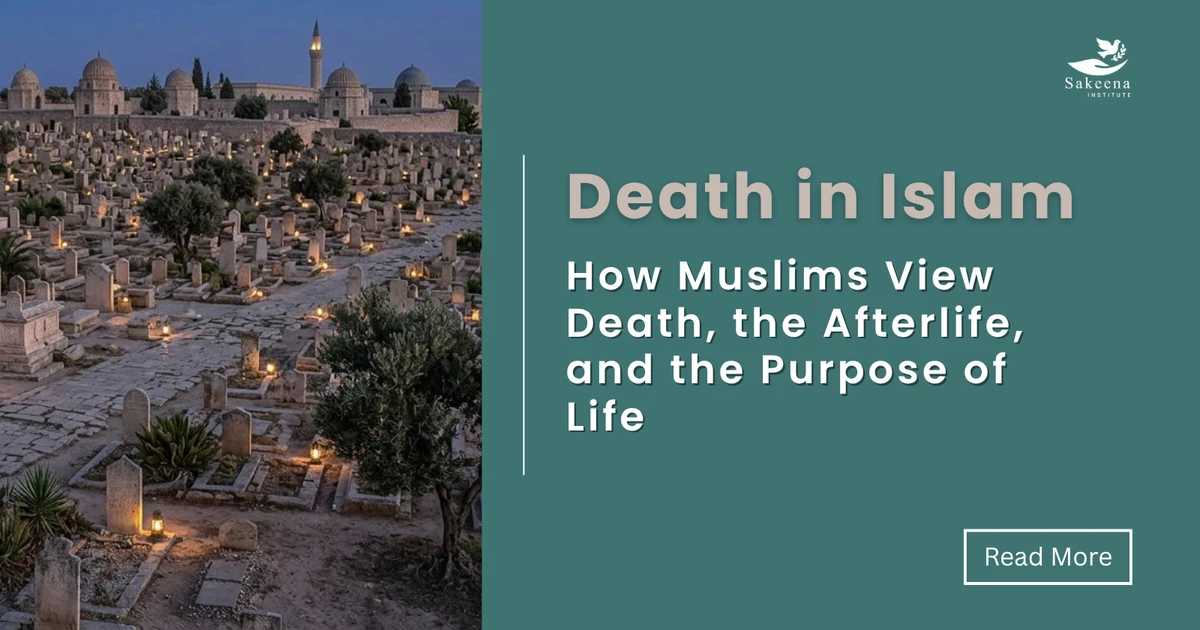

Death is one of the few experiences that every human being will encounter, regardless of their age, background, achievements, or beliefs. It is a reality that often brings grief, uncertainty, and difficult questions about the meaning of life and what happens after it ends. While many people find it uncomfortable to think about death, Islam approaches this subject with a distinctive balance of spiritual awareness, hope, and acceptance. The Islamic view of death is not simply an understanding of the end of earthly life; it is a belief that death marks the beginning of another stage of existence, one in which every human being returns to Allah and ultimately faces the consequences of their deeds.
For Muslims, understanding death is closely connected to understanding life itself. Rather than viewing worldly existence as the ultimate destination, Islam teaches that this life is temporary and that the Hereafter is everlasting. This perspective influences how Muslims understand suffering, cope with the loss of loved ones, make decisions, and prepare themselves spiritually for what lies beyond this world. By reflecting on death in Islam and the afterlife, believers are encouraged to approach their lives with greater purpose, gratitude, accountability, and trust in Allah's wisdom.
What Does Islam Teach About Death?
In Islam, death is an inevitable part of Allah's creation and a transition from worldly existence to the next stage of life. The Qur'an repeatedly reminds humanity that no one can escape death, regardless of their wealth, social position, or accomplishments. Allah says:
كُلُّ نَفْسٍ ذَائِقَةُ الْمَوْتِ
“Every soul will taste death.” (Qur'an 3:185)
This verse establishes a fundamental truth of Islamic belief: death is universal, and every human being will eventually experience it. However, Islam does not teach Muslims to live in constant fear of their mortality. Instead, remembering death is intended to awaken the heart, redirect attention toward what truly matters, and encourage a meaningful relationship with Allah.
The Prophet Muhammad ﷺ also encouraged believers to remember death as a means of developing spiritual awareness. In a hadith narrated by Abu Hurayrah رضي الله عنه, the Prophet ﷺ said, “Remember often the destroyer of pleasures,” referring to death (Jami' al-Tirmidhi 2307, graded hasan by al-Tirmidhi).
This reminder places worldly desires within their proper perspective. Material possessions, professional achievements, physical appearance, and social recognition may occupy considerable attention during life, yet none of these things can accompany a person beyond the grave. What remains significant is one's faith, sincere intentions, righteous deeds, and the mercy of Allah.
Remembering death, therefore, is not meant to diminish the value of living. On the contrary, it can help Muslims appreciate their time, fulfil their responsibilities, strengthen their relationships, and become more conscious of how they use the blessings entrusted to them.
Why Do Muslims View Death Differently?
One of the most important differences between the Islamic understanding of death and a purely worldly perspective is the belief that earthly life is not the entirety of human existence. Muslims believe that Allah created humanity with a purpose and that every individual will ultimately return to Him. This belief changes the way death is understood because the end of physical life does not mean the end of existence.
Allah says:
الَّذِي خَلَقَ الْمَوْتَ وَالْحَيَاةَ لِيَبْلُوَكُمْ أَيُّكُمْ أَحْسَنُ عَمَلًا
“[He] who created death and life to test you [as to] which of you is best in deed.” (Qur'an 67:2)
This verse presents both life and death as part of Allah's creation and places human existence within a broader spiritual purpose. Life is an opportunity to worship Allah, develop good character, fulfil our responsibilities, and respond to the circumstances we encounter with faith and sincerity.
From this perspective, death is not an arbitrary interruption to an otherwise meaningless existence. It reminds believers that their time in this world is limited and that their choices carry significance beyond immediate worldly outcomes.
However, this does not mean that Muslims are expected to reject the world or neglect their responsibilities within it. Islam encourages people to work, care for their families, seek beneficial knowledge, support their communities, and enjoy what Allah has permitted. The distinction lies in recognizing that worldly life is a means rather than the ultimate destination.
When Muslims understand life through the lens of the Hereafter, success becomes more than wealth or status, and hardship becomes more than an inconvenience to be avoided. Both ease and difficulty can become opportunities for worship, gratitude, patience, and personal growth.
Death in Islam and the Belief in the Hereafter
The Islamic understanding of death cannot be separated from belief in the Hereafter, one of the fundamental articles of Islamic faith. Muslims believe that after death, a person enters the life of the Barzakh, the intermediate stage between worldly life and resurrection. They also believe that Allah will resurrect humanity on the Day of Judgment, when every individual will be held accountable for their deeds.
This belief provides a framework for understanding justice, responsibility, and the ultimate meaning of human actions. In this world, people may experience situations in which wrongdoing appears to go unpunished or sincere goodness goes unnoticed. The belief in the Hereafter reassures Muslims that worldly circumstances do not represent the complete account of divine justice.
Allah says:
فَمَن يَعْمَلْ مِثْقَالَ ذَرَّةٍ خَيْرًا يَرَهُ وَمَن يَعْمَلْ مِثْقَالَ ذَرَّةٍ شَرًّا يَرَهُ
“So whoever does an atom's weight of good will see it, and whoever does an atom's weight of evil will see it.” (Qur'an 99:7–8)
These verses encourage believers to recognize the significance of even their smallest actions. A kind word, a private act of charity, a sincere apology, or an effort to overcome an undesirable character trait may appear insignificant in worldly terms, but no deed escapes Allah's knowledge.
At the same time, Islam teaches that salvation is ultimately dependent upon Allah's mercy, not merely upon a person's own assessment of their deeds. Believers are therefore encouraged to combine righteous action with sincere repentance, hope in Allah, and humility before Him.
The belief in the afterlife also encourages Muslims to take responsibility for their behavior. Rather than measuring every decision according to immediate benefit, they are reminded to consider whether their choices align with their faith and whether they are preparing for the meeting with their Creator.
How Islam Helps Muslims Cope With Grief and the Loss of Loved Ones
Although Islam teaches believers to prepare for death, it does not require them to become emotionally detached from the people they love. The death of a parent, spouse, child, sibling, or close friend can bring profound sorrow, and Islamic teachings acknowledge the reality of human grief.
The Prophet Muhammad ﷺ himself experienced the loss of people he deeply loved, including his beloved wife Khadijah رضي الله عنها and his son Ibrahim رضي الله عنه. When Ibrahim died, the Prophet ﷺ wept and explained that the eyes shed tears and the heart grieves, while believers do not say anything except what pleases their Lord. This narration is recorded in Sahih al-Bukhari 1303.
His example demonstrates that sadness and faith can exist together. Tears are not evidence of weak belief, and grief does not mean that a person has failed to accept Allah's decree. A believer may feel the absence of a loved one deeply while still trusting Allah and seeking His help through the pain.
When faced with death, Muslims often recite the words:
إِنَّا لِلَّهِ وَإِنَّا إِلَيْهِ رَاجِعُونَ
“Indeed we belong to Allah, and indeed to Him we will return.” (Qur'an 2:156)
These words express a profound understanding of human existence. Our lives, our loved ones, and everything we possess ultimately belong to Allah. We are entrusted with blessings for a period of time, but we do not possess permanent control over them.
This belief does not make separation painless. Instead, it offers a way to hold grief within a larger framework of faith. Muslims are reminded that Allah knows the depth of their sorrow, that their patience is meaningful, and that they can turn to Him without needing to hide their emotional struggles.
Islam also encourages practical expressions of love after someone has passed away, including making du'a for the deceased, fulfilling their outstanding obligations where possible, maintaining family ties, and giving charity on their behalf. In this way, grief can become an opportunity to honor the relationship while continuing to seek Allah's pleasure.
The Psychological Benefits of Remembering Death in Islam
Reflecting on death can have a meaningful influence on a person's priorities, emotional responses, and understanding of life. Within the Islamic tradition, remembering mortality is not intended to produce hopelessness or persistent anxiety. Rather, it can help believers develop perspective, reduce excessive attachment to worldly approval, and recognize that many of their daily worries are temporary.
For example, a person who constantly compares their achievements with those of others may find that reflecting on the temporary nature of worldly status helps them reconsider what deserves their attention. Someone who struggles with resentment may become more willing to forgive when they recognize that their time, and the time they have with others, is limited. Similarly, remembering death may encourage someone to reconcile with a family member, fulfil an important responsibility, or return to a neglected act of worship.
These reflections can support emotional wellbeing by helping individuals clarify their values and direct their energy toward what they consider most meaningful. However, it is important not to treat remembrance of death as a substitute for professional support when someone is experiencing persistent anxiety, depression, or overwhelming grief. Islamic spirituality can complement appropriate psychological care, allowing individuals to seek both spiritual guidance and practical help.
The Islamic approach also offers a different way of understanding uncertainty. Human beings cannot control every event, predict the future with certainty, or prevent every loss. Recognizing these limitations can encourage humility and reliance upon Allah while allowing people to focus on the responsibilities that remain within their control.
Importantly, remembering death should not become an obsession that prevents a person from enjoying permissible blessings or fulfilling their daily responsibilities. A balanced Islamic understanding encourages believers to prepare for the Hereafter while living responsibly in the present, maintaining hope in Allah's mercy and appreciating the opportunities they have been given.
How Muslims Can Prepare for Death Without Living in Fear
Preparing for death in Islam is not limited to making practical arrangements for the end of life. It primarily involves developing a relationship with Allah and living in a manner that reflects faith, sincerity, and good character.
One of the most important steps is maintaining the obligatory acts of worship, particularly the five daily prayers. Prayer repeatedly reconnects believers with their purpose and reminds them that their relationship with Allah is central to their lives. Alongside prayer, regular engagement with the Qur'an allows Muslims to reflect upon divine guidance, strengthen their understanding of the Hereafter, and renew their intentions.
Repentance is equally important. Human beings make mistakes, and Islam does not demand perfection before a person can turn back to Allah. Instead, believers are encouraged to acknowledge their shortcomings, seek forgiveness, abandon wrongdoing, and make sincere efforts to improve. The door of repentance remains a source of hope, preventing the remembrance of death from becoming a reason for despair.
Good character and fulfilling the rights of others are also essential. Seeking forgiveness when one has caused harm, returning what belongs to others, honoring family responsibilities, and treating people with compassion are meaningful ways to prepare for the meeting with Allah.
The Prophet ﷺ taught that when a person dies, their deeds come to an end except for three: ongoing charity, beneficial knowledge, and a righteous child who prays for them (Sahih Muslim 1631). This hadith highlights the lasting value of actions that continue to benefit others beyond an individual's lifetime.
A Muslim can therefore prepare for death by contributing to their community, teaching beneficial knowledge, raising children with care, supporting those in need, and building habits that leave a positive impact. These efforts allow a person to live with purpose rather than merely waiting for the end of life.
Ultimately, preparation for death should be accompanied by hope. Muslims believe that Allah is the Most Merciful and that sincere repentance, faith, and righteous deeds matter. The goal is not to become consumed by fear of dying but to live in a way that makes returning to Allah the natural conclusion of a life directed toward Him.
Conclusion: Finding Purpose in the Islamic View of Death
The Islamic view of death offers a perspective that brings together accountability, hope, patience, and the recognition that life has a purpose beyond worldly achievement. Death reminds Muslims that their time is limited, but the belief in the Hereafter assures them that physical death is not the end of their existence. It encourages them to approach life with greater awareness, to value their relationships, to respond to loss with faith, and to make choices that reflect their commitment to Allah.
Understanding death in Islam also means recognizing that grief is part of being human, that remembering mortality should inspire meaningful living rather than despair, and that every day provides an opportunity to repent, grow, and do good. Muslims are not asked to abandon the world in preparation for the next life; they are encouraged to live in this world with the Hereafter in mind.
Perhaps one of the most important lessons of remembering death is that a meaningful life is not measured only by how long a person lives or what they accumulate, but also by the sincerity with which they worship Allah, the goodness they bring into the lives of others, and the way they respond to the blessings and trials entrusted to them.
Death is certain, but the time of its arrival remains unknown. This uncertainty can become a reason to approach each day with gratitude, make amends when necessary, and return to Allah with sincere hope. For a Muslim, remembering death is ultimately a reminder to live well, love responsibly, seek forgiveness, and prepare for the eternal life to come.