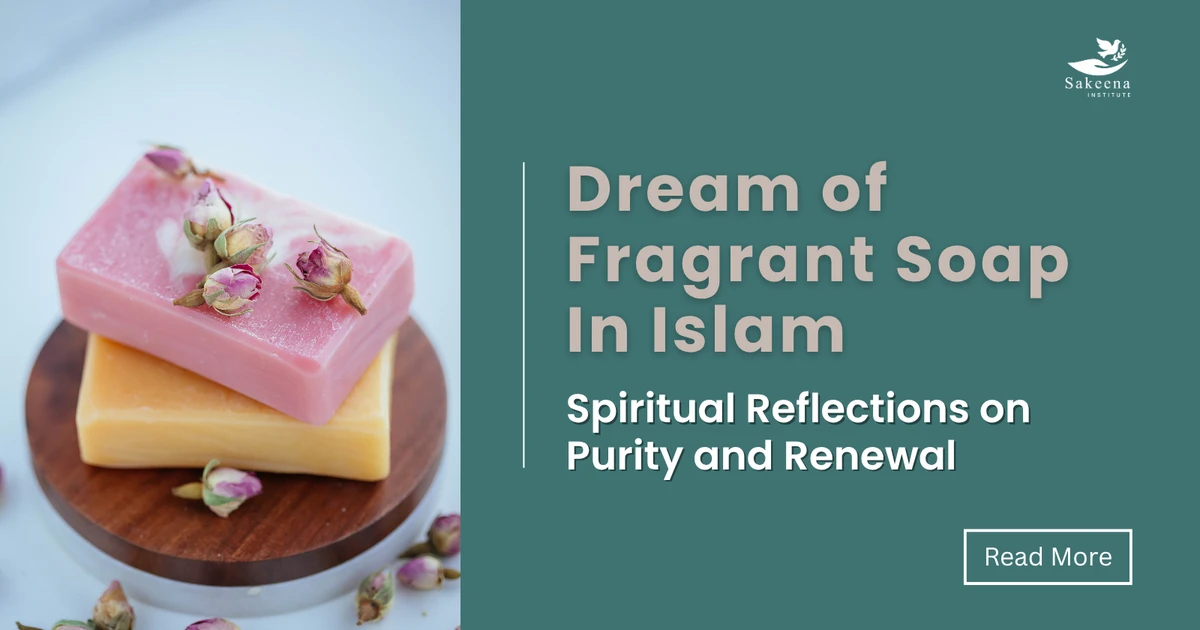

Dreams have long held spiritual significance for Muslims, and many believers seek guidance when they experience dreams involving cleanliness, purity, or pleasant fragrances. One question that may arise is what dreaming of fragrant soap could mean from an Islamic perspective.
In Islam, dreams may be a source of comfort, reflect a person's thoughts and experiences, or be disturbing. However, not every dream carries a special message, and there is no universally established Islamic interpretation of fragrant soap. Although images of cleanliness may remind someone of repentance, renewal, and spiritual growth, these associations should not be presented as definite meanings revealed by Allah.
Islamic teachings encourage believers to approach dreams thoughtfully, without allowing uncertain interpretations to determine their religious beliefs or major life decisions. A person's circumstances and feelings may influence how they understand a dream, but its meaning cannot be established from a single symbol alone.
Fragrant Soap Dreams in Islam: What Could They Mean?
A dream involving fragrant soap may encourage reflection on spiritual purification and personal growth. In Islam, cleanliness is important in religious practice, and purification has both physical and spiritual dimensions. The Prophet Muhammad ﷺ said, “Purification is half of faith” (Sahih Muslim 223).
Although this hadith concerns purification rather than dream interpretation, it highlights the importance of cleanliness in a Muslim's life.
Soap may bring to mind the removal of dirt, the restoration of cleanliness, or the desire to begin again. When a pleasant fragrance accompanies it in a dream, a person might associate the experience with good character, sincerity, or the desire to strengthen their relationship with Allah and others. These are possible personal reflections rather than established interpretations that apply to everyone.
Images of washing may remind a person of repentance and seeking Allah's forgiveness, while pleasant fragrances may bring to mind kindness and good character. Similarly, the removal of dirt may inspire reflection on overcoming difficulties and making positive changes. Nevertheless, none of these associations establishes what a particular dream means or predicts what will happen in the future.
Rather than assuming that a dream guarantees a particular spiritual outcome, a believer can use it as an opportunity for beneficial self-reflection.
Meaning of Soap in a Dream in Islam
Understanding the possible meaning of soap in a dream requires distinguishing between established Islamic teachings and symbolic interpretations. Although soap is an ordinary household item, its appearance may remind someone of broader Islamic principles such as purification, repentance, and self-improvement.
A person who dreams about soap might associate it with seeking forgiveness, renewing their commitment to faith, correcting past mistakes, or seeking relief from worries and emotional burdens. These associations may be personally meaningful, but they are not definitive Islamic interpretations.
For example, washing one's hands in a dream might bring to mind the importance of avoiding wrongdoing and taking responsibility for one's actions. Cleaning the body may remind someone of physical purification and spiritual discipline, while removing stains might encourage reflection on guilt, forgiveness, and personal growth.
However, there is no universally authenticated Islamic rule establishing that seeing soap in a dream necessarily signifies repentance, lawful earnings, forgiveness, or the resolution of difficulties. The meaning of a dream cannot be determined from a single symbol, and no interpretation should be treated as certain without reliable evidence.
Dreams About Cleanliness in Islam and Spiritual Purity
Cleanliness occupies an important place in Islam. The concept of taharah, or purification, encompasses practical acts of worship as well as the importance of maintaining a clean body, clothing, and environment. Practices such as wudu (ablution) and ghusl (ritual bathing) prepare Muslims for particular acts of worship and demonstrate the importance of purification in religious life.
When a person dreams about water, soap, clean clothing, or pleasant scents, these images may remind them of the values associated with cleanliness and personal care.
Such dreams may encourage reflection on the desire to improve personal habits, renew one's commitment to faith and worship, find greater clarity when facing difficulties, or move away from harmful habits and develop better ones.
Nevertheless, it is important to distinguish between the religious significance of purification and the interpretation of dream symbols. Islam establishes the importance of purification through the Qur'an and Sunnah, but this does not mean that every dream involving cleanliness carries a specific spiritual message.
True spiritual purification involves sincere intentions, repentance, and righteous actions. A dream may inspire someone to reflect on these matters, but meaningful change comes through what a person chooses to do in waking life.
Understanding the Spiritual Meaning of a Soap Dream in Islam
A dream involving soap may prompt someone to consider whether they are seeking peace, forgiveness, or a fresh start. This can be particularly relevant during periods of personal reflection, after making mistakes, or when trying to overcome a difficult experience.
Possible personal reflections include letting go of past mistakes while taking responsibility for them, seeking reconciliation and improving relationships, working toward better character and more sincere intentions, and beginning a new phase of life with greater mindfulness and purpose.
For someone who has been reflecting on repentance, for example, a dream involving washing may serve as a personal reminder to continue making sincere efforts toward improvement. Another person may associate the same dream with ordinary experiences, memories, or thoughts about cleanliness.
It would be inaccurate, however, to conclude that fragrant soap in a dream necessarily signifies that one's good deeds have been accepted or that one's spiritual standing has improved. The acceptance of deeds belongs to Allah's knowledge, and a dream cannot establish it with certainty.
Muslims can hope for Allah's mercy, continue performing righteous deeds, and seek forgiveness without relying on dreams as proof of their spiritual condition.
Dreaming of Fragrant Soap in Islam: Why Fragrance Matters
The Significance of Pleasant Fragrances in Islamic Tradition
Pleasant fragrances have a positive place in Islamic life. The Prophet Muhammad ﷺ appreciated perfume, and using pleasant scents is associated with personal cleanliness and good presentation.
Consequently, the fragrance of soap in a dream may bring to mind qualities such as kindness, good character, and the positive effect a person can have on others. Someone experiencing such a dream might reflect on the kind of reputation they are building and whether their conduct reflects the values of Islam.
Possible personal associations include treating others with kindness and respect, seeking lawful provision and using blessings responsibly, strengthening sincerity in worship and everyday actions, and cultivating inner peace through faith and good character.
These are reflective associations rather than fixed interpretations established by the Qur'an or authentic Sunnah. A pleasant smell in a dream does not, by itself, prove that a person will receive blessings, gain a good reputation, or have their deeds accepted.
The more beneficial response is to consider whether the dream inspires good actions and to pursue those actions sincerely for Allah's sake.
Dreams and Psychology: An Islamic Perspective
Islamic teachings recognize that dreams are not all of the same kind. In an authentic hadith, the Prophet Muhammad ﷺ described good dreams as being from Allah, disturbing dreams as being from Satan, and other dreams as arising from what a person thinks about. This distinction is reported in Sahih Muslim, in the Book of Dreams.
From a psychological perspective, dreams may also reflect memories, emotions, concerns, and experiences that occupy a person's mind. Someone who has been thinking about personal change, cleanliness, or a difficult situation may encounter related images during sleep.
A dream involving soap might therefore prompt reflection on a desire for emotional clarity or a fresh start. However, it would not be appropriate to diagnose a person's emotional state or determine the meaning of a dream from that symbol alone.
A balanced Islamic approach considers spiritual teachings without overlooking ordinary psychological explanations. When a dream is comforting, a person may respond with gratitude to Allah. When a dream is disturbing, the Sunnah provides guidance on seeking refuge in Allah rather than becoming consumed by fear or speculation.
Dreams should not replace sound religious knowledge, practical judgment, or professional support when it is needed.
Islamic Dream Interpretation: Different Situations Involving Soap
The circumstances surrounding a dream may influence the personal meaning someone attaches to it. The following examples offer possible reflections, not established or guaranteed Islamic interpretations.
Washing Hands or the Body
Dreaming of washing may remind a person of repentance, personal responsibility, or the importance of maintaining cleanliness. Someone reflecting on a mistake might use the experience as motivation to seek forgiveness and improve their conduct.
Nevertheless, washing in a dream does not necessarily indicate that a person has repented or that their sins have been forgiven.
Receiving Soap as a Gift
Receiving soap in a dream might bring to mind the support of others, helpful advice, or an opportunity for personal improvement. It may encourage someone to consider whether there are people in their life whose guidance they should appreciate.
However, there is no universally established Islamic interpretation stating that receiving soap as a gift necessarily predicts reconciliation or guidance.
Buying Soap
Buying soap might remind a person of taking practical steps toward improvement. This could include developing healthier habits, strengthening their worship, or addressing an unresolved difficulty.
The meaning, if any, depends on the person's circumstances and associations rather than on a fixed religious rule.
Broken or Melting Soap
Seeing broken or melting soap might prompt someone to reflect on frustration, unfinished goals, or difficulties maintaining a particular habit. Such reflections can be useful if they encourage constructive action rather than unnecessary worry.
There is no established basis for assuming that broken soap predicts failure or that melting soap indicates a particular spiritual problem.
In every case, the emotional experience of the dream and the person's circumstances may help them understand why a particular image stood out to them. Even then, an interpretation remains uncertain and should not be confused with religious knowledge.
Positive and Concerning Associations With Soap Dreams
Dreams involving soap may inspire positive reflection, but they should not be divided into rigid categories of guaranteed blessings and warnings.
Positive Reflections
A dream involving fragrant soap may encourage someone to think about the importance of sincere repentance, the possibility of personal growth and emotional healing, strengthening faith through consistent worship, and improving relationships through kindness and good character.
These are beneficial goals regardless of whether a dream has any particular meaning.
When a Dream Causes Concern
Some dreams may leave a person feeling anxious or unsettled. For example, repeatedly washing in a dream or being unable to remove dirt might cause someone to worry about guilt or personal shortcomings.
However, such images do not establish that a person has committed a sin, is spiritually impure, or is facing an impending difficulty. Dreams can have many causes, and frightening or repetitive imagery should not automatically be interpreted as a warning from Allah.
If a dream causes distress, a person can seek refuge in Allah, follow the guidance of the Sunnah regarding disturbing dreams, and avoid dwelling on speculative interpretations.
Instead of becoming fearful, consider asking yourself whether there is an area of your life in which you would benefit from sincere self-reflection, whether there is a mistake for which you should seek Allah's forgiveness or make amends, and whether it would help to seek emotional support or address a concern in your waking life.
These questions are useful because they direct attention toward constructive action without assuming that the dream carries a hidden message.
Final Reflection
Dreams involving cleanliness and fragrant soap can provide an opportunity to reflect on purity, repentance, and personal growth. Islam places great importance on cleanliness, sincere intentions, and the effort to cultivate good character. These values remain meaningful regardless of whether a particular dream has a deeper significance.
At the same time, Muslims should be cautious about assigning definite meanings to ordinary dream symbols. Not every dream is a divine message, and no symbol alone can guarantee forgiveness, future blessings, or a particular outcome. The Qur'an and authentic Sunnah remain the foundation of Islamic belief and practice.
If a dream inspires you to turn back to Allah, improve your conduct, or treat others with greater kindness, you can act upon those good intentions without claiming certainty about the dream's meaning. If it causes fear, remember that you do not need to build your decisions around uncertain interpretations.
Ultimately, spiritual growth comes through sincere faith, repentance, worship, and consistent righteous action. A dream may prompt reflection, but the lasting value lies in how you choose to live when you wake.
Frequently Asked Questions
What Is the Meaning of Soap in a Dream in Islam?
There is no universally authenticated Islamic interpretation of soap as a dream symbol. Some people may associate it with purification, repentance, or renewal, but these associations should not be treated as established religious meanings.
Is Seeing Fragrant Soap in a Dream a Positive Sign?
A pleasant fragrance may feel comforting and may inspire reflection on good character or personal growth. However, seeing fragrant soap does not guarantee future blessings, forgiveness, or the acceptance of good deeds.
Do Dreams About Cleanliness Have Spiritual Meaning in Islam?
They may encourage personal reflection, especially because cleanliness and purification are important in Islam. Nevertheless, a dream involving cleanliness does not automatically carry a specific spiritual message.
How Does Islamic Dream Interpretation Explain Everyday Objects?
Dream interpreters may consider the context of a dream, the person's circumstances, and the associations attached to particular objects. Interpretations can differ, and not every symbolic explanation is supported by authentic Islamic sources. Dreams should never override clear religious teachings.
Can Dreams Reflect Psychological and Spiritual States in Islam?
Dreams may relate to a person's thoughts and experiences, and Islamic teachings distinguish between different kinds of dreams. A dream may prompt spiritual or personal reflection, but it cannot independently establish a person's psychological condition or spiritual standing.