
Famous Muslim Converts: Inspiring Journeys to Islam
Throughout history, people from different cultures, professions, and belief systems have embraced Islam after periods of reflection, learning, and personal searching. The stories of famous Muslim converts remind us that faith is not determined by fame, social status, or background, but by a person's sincere search for truth and connection with Allah. These journeys highlight how Islam continues to resonate with people across different generations, cultures, and walks of life.
From athletes and musicians to civil rights leaders and intellectuals, the lives of those who accepted Islam offer insight into why people convert to Islam and how faith can influence their understanding of life, purpose, and personal responsibility.
Famous Muslim Converts and Their Journeys to Islam
Every journey to Islam is unique, shaped by individual experiences, questions, and circumstances. Some people begin their search through studying religion and philosophy, while others encounter Islam through personal relationships, reading the Qur'an, or reflecting on life's deeper questions. The stories of famous Muslim converts attract public attention, but the decisions behind them are often deeply personal.
Why Stories of Famous Converts to Islam Inspire Millions
Stories of well-known individuals embracing Islam can inspire people because they demonstrate that faith is not limited to a particular culture, nationality, or social background. These journeys encourage reflection on universal questions about the purpose of life, the nature of God, morality, and spiritual fulfillment.
For many readers, these accounts offer Muslim converts inspiration, reminding them that exploring faith and asking sincere questions can be meaningful steps toward a deeper understanding of Islam.
A List of Famous Converts to Islam Across Different Fields
Islam has welcomed people from many different backgrounds. The following individuals are well-known examples of people who embraced Islam and whose lives and public influence have brought attention to their faith.
Athletes, Artists, Leaders, and Intellectuals Who Accepted Islam
Some notable examples include:
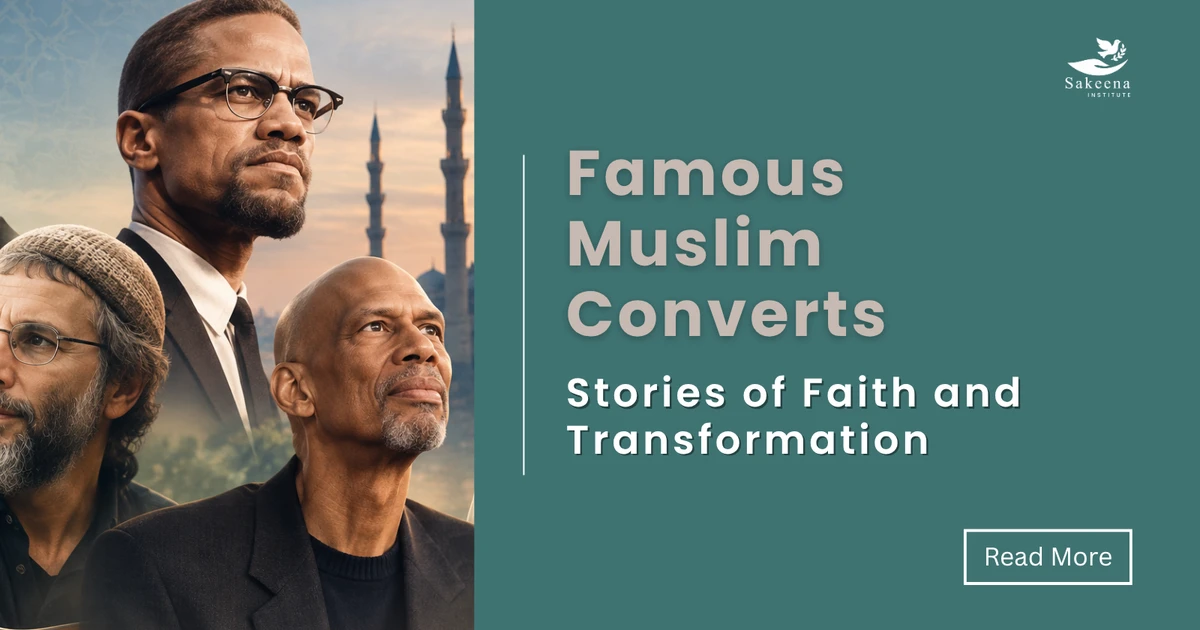
- Muhammad Ali: The legendary boxer embraced Islam during the 1960s. His religious journey influenced his identity, public life, and views on dignity and racial equality.
- Malcolm X: The prominent civil rights leader embraced Islam and later undertook the Hajj pilgrimage. His experiences during the pilgrimage contributed to a broader understanding of Muslim brotherhood beyond racial divisions.
- Yusuf Islam (formerly Cat Stevens): The British musician embraced Islam in 1977 after a period of spiritual searching. His faith became an important part of his personal life and later work.
- Kareem Abdul-Jabbar: The celebrated basketball player embraced Islam in his early adulthood and became known for discussing the relationship between his faith, identity, and social responsibility.
These individuals frequently appear on lists of famous converts to Islam because their public profiles have brought attention to their personal journeys. However, their experiences should not be treated as identical, since each person followed a distinct path and developed their understanding of Islam in different ways.
Notable Muslim Converts' Stories and What Led Them to Islam
Many notable Muslim converts' stories reveal a period of reflection before conversion. Some individuals explore different religious traditions or philosophical ideas, while others begin asking deeper questions about existence, morality, and the purpose of life.
For some converts, studying the Qur'an becomes an important part of their journey. Its teachings about the oneness of God, accountability, mercy, and righteous conduct can prompt further reflection. Others first encounter Islam through Muslim friends, family members, or communities whose character and conduct encourage them to learn more.
There is no single explanation for why every person embraces Islam. Each journey deserves to be understood on its own terms, without assuming that all converts share the same experiences or motivations.
Famous People Who Converted to Islam and How Faith Influenced Their Lives
Accepting Islam can bring changes in a person's priorities, habits, relationships, and understanding of responsibility. Some famous people who converted to Islam have spoken publicly about how their faith influenced their outlook on life and the choices they made.
For some, religious practice introduces greater structure through daily prayer, fasting, charity, and reflection. For others, Islam provides a framework for considering questions of humility, service, justice, and personal accountability. The extent of these changes differs from one individual to another, but their stories can encourage readers to reflect on the relationship between faith and everyday life.
Celebrity Muslim Converts and Their Spiritual Journeys
Celebrity Muslim converts often attract attention because their decisions take place in the public eye. Their experiences can introduce audiences to Islamic beliefs and practices that they may not have encountered before.
For individuals who embrace Islam, practices such as salah, fasting during Ramadan, and giving charity can become meaningful expressions of faith and devotion. These practices are not simply ways of organizing daily life; they are also acts of worship that encourage believers to remember Allah and consider their responsibilities toward others.
Although public figures can inspire curiosity about Islam, their experiences should not be viewed as proof that every convert will experience the same changes. Faith is personal, and each Muslim's journey involves continued learning, reflection, and growth.
Why People Convert to Islam in the Modern World
Understanding why people convert to Islam requires looking beyond headlines and assumptions. People explore religion for many reasons, including a desire to understand the purpose of life, a search for spiritual truth, or an interest in the beliefs and practices of another faith tradition.
Some aspects of Islam that people explore during this process include:
- Belief in one God: Islam teaches the absolute oneness of Allah and calls people to worship Him alone.
- Purpose and accountability: Islamic teachings connect human life with worship, moral responsibility, and accountability before Allah.
- A direct relationship with Allah: Muslims turn to Allah through prayer, supplication, repentance, and remembrance.
- Ethical guidance: The Qur'an and Sunnah provide guidance concerning honesty, justice, compassion, family relationships, and social responsibility.
- Balance in life: Islam addresses both spiritual devotion and responsibilities toward oneself, one's family, and society.
These teachings may appeal to people who are exploring faith and seeking answers to important questions. However, conversion is a deeply personal decision, and no single list of reasons can explain every individual's journey.
Exploring the Benefits of Embracing Islam: Peace, Purpose, and Spiritual Growth
When discussing the benefits of converting to Islam, it is important to recognize that people experience their faith in different ways. Many converts describe finding a stronger sense of purpose, a framework for making ethical decisions, and a meaningful connection with a religious community.
Some of the aspects of Islamic life that believers value include:
- Spiritual connection: Salah, Qur'an recitation, and supplication provide opportunities to worship Allah and strengthen one's relationship with Him.
- Moral guidance: Islamic teachings offer principles that guide decisions and encourage personal accountability.
- Community and belonging: The Muslim community can provide opportunities for companionship, mutual support, and shared worship.
- Resilience during hardship: Belief in Allah, patience, and trust in Him can help believers approach life's difficulties with faith and hope.
Embracing Islam does not mean that every difficulty disappears or that a person will never experience sadness, uncertainty, or personal struggles. Rather, faith can provide guidance and spiritual resources through which believers seek to navigate life's challenges.
Stories of Converts to Islam: Peace and Spiritual Fulfillment
Many stories of people who converted to Islam describe a search for meaning, a desire to understand God, or a growing appreciation for Islamic beliefs and practices. Some converts speak of finding spiritual fulfillment, while others emphasize the importance of continued learning and gradual personal development.
For many, embracing Islam marks the beginning of a lifelong journey rather than the end of their questions. Learning to pray, studying the Qur'an, understanding Islamic teachings, and developing new habits can take time.
Islam encourages believers to pursue knowledge and strive toward what is good. A person's past does not prevent them from moving forward, and growth does not require immediate perfection. Every individual develops at their own pace while seeking Allah's guidance and mercy.
Muslim Converts as Inspiration for Today's Generation
In a world shaped by social pressure, competing ideas, and questions about identity, the experiences of converts can encourage younger generations to explore important questions about faith and purpose.
The journeys of Muslim converts demonstrate that people from different backgrounds can find meaning in Islamic beliefs and practices. They also remind us that sincere inquiry, thoughtful reflection, and the pursuit of knowledge can play important roles in a person's spiritual development.
For those exploring Islam, these stories can be a starting point for further learning. Rather than relying solely on public figures or personal testimonies, readers can deepen their understanding by studying the Qur'an, learning about the Prophet Muhammad (peace and blessings be upon him), and consulting reliable Islamic scholarship.
Embracing Islam as a Universal Message of Guidance
Islam presents its message as one for all humanity, calling people to worship Allah alone and live with faith, justice, compassion, and accountability. The diversity of people who embrace Islam reflects the fact that Muslims come from many different cultures, nationalities, professions, and life experiences.
The stories of famous Muslim converts offer opportunities to reflect on this diversity. At the same time, the foundation of Islam is its teachings, rather than the fame or status of the people who accept it.
For anyone exploring Islam, learning about its central beliefs and practices can provide a more meaningful understanding of what it means to embrace the faith. Through sincere reflection, the pursuit of knowledge, and a willingness to learn, individuals can approach their spiritual questions thoughtfully and responsibly.
Final Thoughts: Learning from the Journeys of Famous Muslim Converts
The lives of famous Muslim converts offer insight into the many paths through which people come to explore and embrace Islam. From athletes and musicians to civil rights leaders, their experiences illustrate how faith can influence a person's identity, values, and understanding of life's purpose.
Although every journey is different, these stories can encourage readers to reflect on their own beliefs, seek reliable knowledge, and approach questions of faith with sincerity and an open mind.
If you are exploring Islam, experiencing spiritual uncertainty, or seeking a deeper understanding of Islamic teachings, consider studying the Qur'an, learning from qualified scholars, and engaging with trustworthy educational resources. Institutions such as Sakeena Institute aim to provide educational resources and support for individuals seeking to explore the relationship between Islamic guidance and personal well-being.
Ultimately, the most important lesson is not the fame of those who embrace Islam, but the opportunity their stories provide to reflect on faith, purpose, and the search for truth.
Frequently Asked Questions (FAQs)
Who Are Some of the Most Famous Muslim Converts in History?
Well-known examples include Muhammad Ali, Malcolm X, Yusuf Islam (formerly Cat Stevens), and Kareem Abdul-Jabbar. Each followed a distinct journey, and their experiences have contributed to public conversations about Islam, identity, and faith.
Why Do People Convert to Islam?
People embrace Islam for many reasons, including their study of the Qur'an, belief in the oneness of God, personal reflection, and encounters with Muslim communities. Every conversion is individual, and there is no single explanation that applies to everyone.
Are Celebrity Muslim Converts Influential in Da'wah?
Public figures who embrace Islam can encourage others to learn about the faith by sharing their experiences and introducing Islamic beliefs to wider audiences. However, learning about Islam through reliable sources and qualified scholars remains important.
What Benefits Do People Associate With Converting to Islam?
Many converts describe a stronger sense of spiritual purpose, a framework for ethical living, meaningful religious practices, and a sense of belonging within the Muslim community. Individual experiences vary, and embracing Islam does not mean that life's challenges will disappear.
How Can Someone Learn More About Converting to Islam?
Someone interested in Islam can begin by studying the Qur'an in a reliable translation, learning about the central beliefs and practices of Islam, and speaking with knowledgeable, trustworthy Muslims or qualified scholars. It is helpful to ask questions, seek reliable information, and take the time needed to understand the faith.