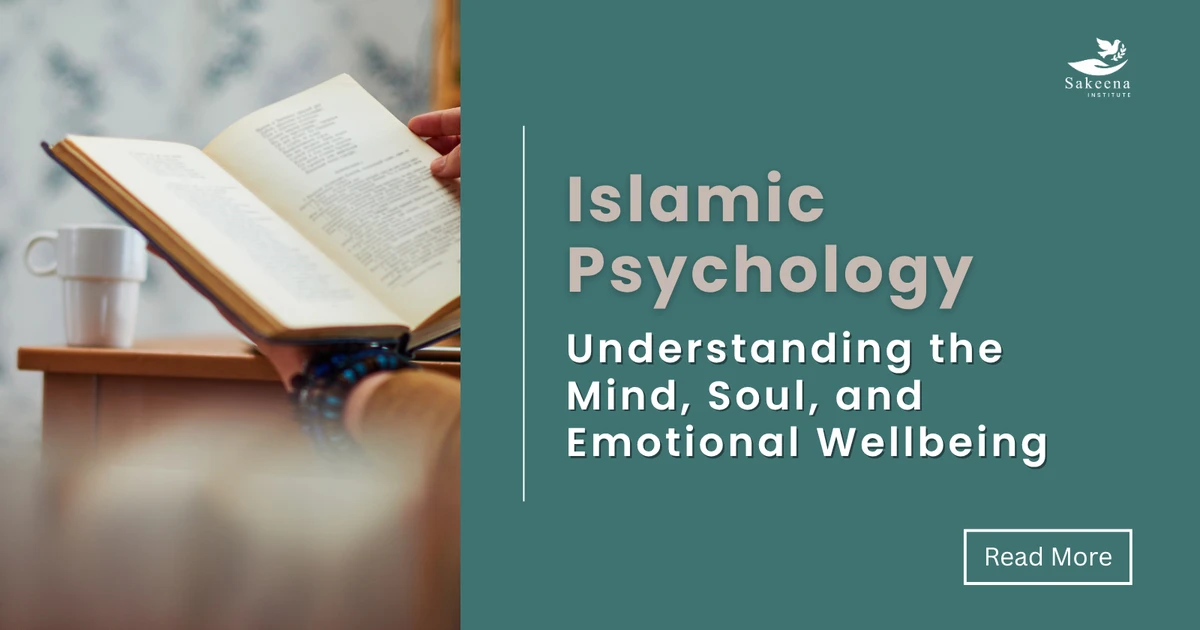

In recent years, Islamic psychology has gained significant attention among students, therapists, and individuals seeking faith-based perspectives on mental wellbeing. This field explores the relationship between spiritual teachings and psychological knowledge, offering insights into human behavior, emotional health, and personal development. Alongside thoughts and behaviors, Islamic psychology considers the spiritual and moral dimensions of human life and how they may influence a person's understanding of wellbeing.
With growing awareness of mental health, many Muslims are exploring Islamic psychology to better understand their emotions through the lens of faith. Resources rooted in the Quran, authentic Hadith, and scholarly research can offer valuable insights into self-awareness, spiritual development, and emotional wellbeing, while helping readers distinguish between established Islamic teachings and contemporary psychological theories.
Why Islamic Psychology Is Gaining Global Attention
Islamic psychology is attracting interest because it considers both the psychological and spiritual dimensions of human experience. While many modern psychological approaches focus on behavior, cognition, and emotional processes, Islamic perspectives also explore spiritual purification, moral responsibility, and a person's relationship with Allah. These perspectives can complement psychological approaches when applied thoughtfully and appropriately.
Researchers, therapists, and scholars have also explored the importance of culturally sensitive mental health care for Muslim communities. Resources on Islam and mental health can help readers understand how religious beliefs and practices may influence emotional experiences, coping strategies, and the therapeutic relationship.
The Foundations of Ilm An-Nafs in Classical Islamic Scholarship
The term ilm an-nafs refers broadly to the study of the self or soul, although its meaning varies across different Islamic intellectual traditions. Classical Muslim scholars explored human nature, behavior, emotions, and moral development through theological, philosophical, and spiritual perspectives.
Scholars such as Imam Al-Ghazali, Ibn Sina (Avicenna), and Al-Razi wrote about aspects of the human soul, emotional experience, and wellbeing. Their works examined questions concerning human motivation, the relationship between reason and desire, and the influence of moral qualities on a person's inner life.
Classical writings on the self and soul explore themes such as:
- The concepts of the nafs, qalb, and ruh.
- The cultivation of good character and the purification of the heart.
- The relationship between moral conduct and spiritual wellbeing.
- Self-reflection, personal accountability, and spiritual growth.
These works remain valuable resources for readers interested in the historical foundations of Islamic thought about human nature. However, classical scholarship should be understood within its original intellectual and religious context rather than treated as identical to contemporary psychological science.
Understanding the Islamic Concept of the Self and Personal Development
Understanding the Islamic concept of the self can provide a meaningful foundation for personal reflection, emotional awareness, and spiritual development. Classical Muslim scholars discussed the struggle against harmful desires, the cultivation of virtues, and the importance of examining one's intentions and actions.
When exploring the Islamic concept of the self, readers may encounter discussions of:
- The nafs al-ammarah, nafs al-lawwamah, and nafs al-mutma'innah, mentioned in the Quran in different contexts.
- Spiritual self-awareness and personal accountability.
- The role of discipline, reflection, and good character in personal development.
- Balancing worldly responsibilities with spiritual growth.
These themes can help readers reflect on their habits, intentions, and relationship with Allah. Classical works on spiritual purification may also offer valuable guidance for personal development, although they should not automatically be treated as clinical self-help manuals or substitutes for professional mental health care.
Islamic Psychology and Mental Health in Modern Psychology
Modern discussions of mental health increasingly recognize that religion and spirituality can be important aspects of some people's lives. Resources exploring Islamic psychology and mental health examine how Muslim beliefs, values, and practices may be considered within psychological research, counselling, and therapeutic care.
These resources may examine topics such as:
- Faith-integrated Cognitive Behavioural Therapy (CBT).
- Coping with trauma and developing resilience.
- The role of prayer, reflection, and spiritual practices in wellbeing.
- Culturally sensitive mental health support for Muslim communities.
By considering both psychological knowledge and the religious context of Muslim clients, these approaches can help practitioners understand care that respects a person's beliefs. However, the effectiveness of any particular therapeutic method should be evaluated through appropriate research rather than assumed simply because it incorporates religious practices.
Islamic Psychology Resources for Students and Professionals
Students, researchers, and mental health professionals seeking academic knowledge can benefit from resources that examine the foundations of Islamic psychology and the relationship between Islamic scholarship and contemporary psychological practice.
Useful areas of study include:
- The foundations and historical development of Islamic psychology.
- Islamic counselling theories and approaches.
- Therapeutic models that incorporate Islamic principles.
- Research on Muslim mental health and culturally responsive care.
Readers should look for resources that clearly identify their sources, explain their theoretical frameworks, and distinguish scholarly interpretation from established clinical evidence. This is particularly important for professionals who wish to apply ideas from Islamic psychology in counselling or therapeutic settings.
Islamic Counselling and Faith-Based Therapy
Islamic counselling explores how Islamic beliefs, values, and spiritual practices may inform the counselling relationship. It can help readers understand the importance of religious sensitivity when supporting Muslim clients and considering the role that faith plays in their experiences.
Islamically informed counselling may involve:
- Incorporating dua and spiritual reflection when appropriate to the client's needs.
- Exploring guilt and shame in light of Islamic teachings on repentance and mercy.
- Supporting resilience while discussing trust in Allah and personal responsibility.
- Providing space for emotional expression within a respectful and compassionate therapeutic relationship.
When used by appropriately trained professionals, knowledge of Islamic teachings and Muslim cultural contexts can contribute to more sensitive and individualized care. Religious knowledge alone, however, does not replace clinical training, ethical practice, or professional supervision.
Building an Islamic Psychology Reading List for Further Learning
Creating a structured reading list can help readers build their knowledge of Islamic psychology gradually. Beginners may start with introductory works exploring the relationship between Islamic teachings, human behavior, and emotional wellbeing. Readers with more experience may wish to explore classical writings on ilm an-nafs, spiritual purification, and moral development.
Advanced learners and professionals may explore:
- Academic books on Islamic psychology and its theoretical foundations.
- Research on Muslim mental health and faith-integrated approaches to care.
- Specialized books on Islamic counselling and psychotherapy.
- Classical Islamic scholarship on the self, heart, and cultivation of character.
A balanced reading list should include reliable sources appropriate to the reader's level of knowledge and intended purpose. Comparing classical scholarship with contemporary research can help readers appreciate both the historical depth of Islamic thought and the specific questions addressed by modern psychology.
How Islamic Psychology Can Support Mental Wellbeing Today
Exploring Islamic psychology can encourage reflection on emotional experiences, personal values, and spiritual development. These resources may help readers examine how faith influences their understanding of hardship, relationships, responsibility, and personal growth.
Potential benefits include:
- Developing greater emotional self-awareness.
- Reflecting on spiritual resilience during hardship.
- Exploring faith-informed coping strategies.
- Understanding the relationship between behavior, intentions, and spiritual development.
- Finding meaning and perspective through Islamic teachings.
The benefits of reading and learning will vary according to the individual and the quality of the material. Educational resources can provide knowledge and encouragement, but they do not replace professional assessment or treatment when someone is experiencing significant psychological distress. A balanced approach recognizes that spiritual growth and appropriate mental health care can complement one another.
Sakeena Institute: Islamic Psychology Education and Counselling
Educational institutions such as Sakeena Institute contribute to discussions about Islamic psychology, counselling, and mental health awareness. Educational opportunities in this field can help learners explore the relationship between Islamic knowledge and psychological wellbeing.
For individuals interested in further study, exploring relevant courses and learning resources can provide an opportunity to develop a deeper understanding of Islamic psychology and counselling. Readers should review each programme's curriculum, learning outcomes, and professional recognition to determine whether it meets their personal or academic goals.
Where counselling services are offered, individuals should also review the qualifications of the relevant professionals and the scope of the support available. Clear information helps learners and prospective clients make informed decisions about their educational and mental health needs.
Final Thoughts: Bringing Faith and Psychological Understanding Together
The growing interest in Islamic psychology reflects a desire to understand human wellbeing through a perspective that takes both spiritual and psychological dimensions seriously. Classical Islamic scholarship offers valuable discussions of the self, the heart, character, and spiritual development, while contemporary research explores how Islamic beliefs and practices may inform psychological understanding and mental health care.
Whether you are a student, therapist, or individual seeking personal development, exploring reliable resources on Islamic psychology can deepen your understanding of human behavior, faith, and emotional wellbeing. By engaging with classical scholarship thoughtfully and approaching modern psychological research critically, readers can develop a more balanced understanding of the relationship between Islamic teachings and mental health.
Through continued study, reflection, and appropriate professional guidance, individuals can explore how spiritual development and psychological wellbeing may support one another while recognizing that each person's needs and circumstances are different.
Frequently Asked Questions
What Is Islamic Psychology?
Islamic psychology explores human nature, behavior, emotions, and psychological wellbeing through an Islamic framework. It considers spiritual and moral dimensions alongside psychological concepts and contemporary research.
How Does Islamic Psychology Differ From Conventional Psychology?
Islamic psychology explicitly considers Islamic teachings and understandings of human nature. Contemporary psychological approaches vary in their theoretical assumptions and methods, while Islamically informed approaches seek to incorporate religious perspectives where appropriate.
How Can Islamic Psychology Help Mental Health Professionals?
It can help professionals understand the religious beliefs, cultural contexts, and faith-related coping strategies of Muslim clients. Applying these perspectives in clinical practice requires appropriate training, ethical standards, and relevant evidence.
What Is the Islamic Concept of the Self?
Islamic scholarship discusses concepts such as the nafs (self), qalb (heart), and ruh (spirit). These concepts appear in different contexts and have been explored by Muslim scholars in discussions of human nature, spiritual development, and moral responsibility.
Can Islamic Psychology Replace Professional Therapy?
No. Islamic psychology can offer valuable perspectives on faith, self-reflection, and wellbeing, but it does not replace professional assessment or treatment when needed. Individuals experiencing persistent psychological distress should seek appropriate support from qualified professionals.
How Can I Learn More About Islamic Psychology?
You can begin by exploring introductory resources, classical Islamic scholarship on the self and spiritual purification, and contemporary academic works on Islamic psychology and counselling. Choosing resources that match your level of knowledge and learning goals can help you develop a deeper understanding of the field.