
Silat al-Rahm (maintaining family ties) is a core concept in Islam. Cutting off family ties or going a long time without seeing family members or checking up on them is not only discouraged, but strongly condemned.
The prophet ﷺ said:
لَا يَدْخُلُ الْجَنَّةَ قَاطِعُ رَحِمٍ
“The one who severs the ties of kinship will not enter Paradise.”
In a Hadith Qudsi, the Prophet ﷺ narrated that Allah said:
أَنَا الرَّحْمَنُ، وَهِيَ الرَّحِمُ، شَقَقْتُ لَهَا اسْمًا مِنِ اسْمِي، فَمَنْ وَصَلَهَا وَصَلْتُهُ، وَمَنْ قَطَعَهَا قَطَعْتُهُ
"I am Ar-Rahman (the Most Merciful), and this is the womb (the ties of kinship). I derived its name from My Name. Whoever maintains it, I will maintain him, and whoever severs it, I will cut him off."
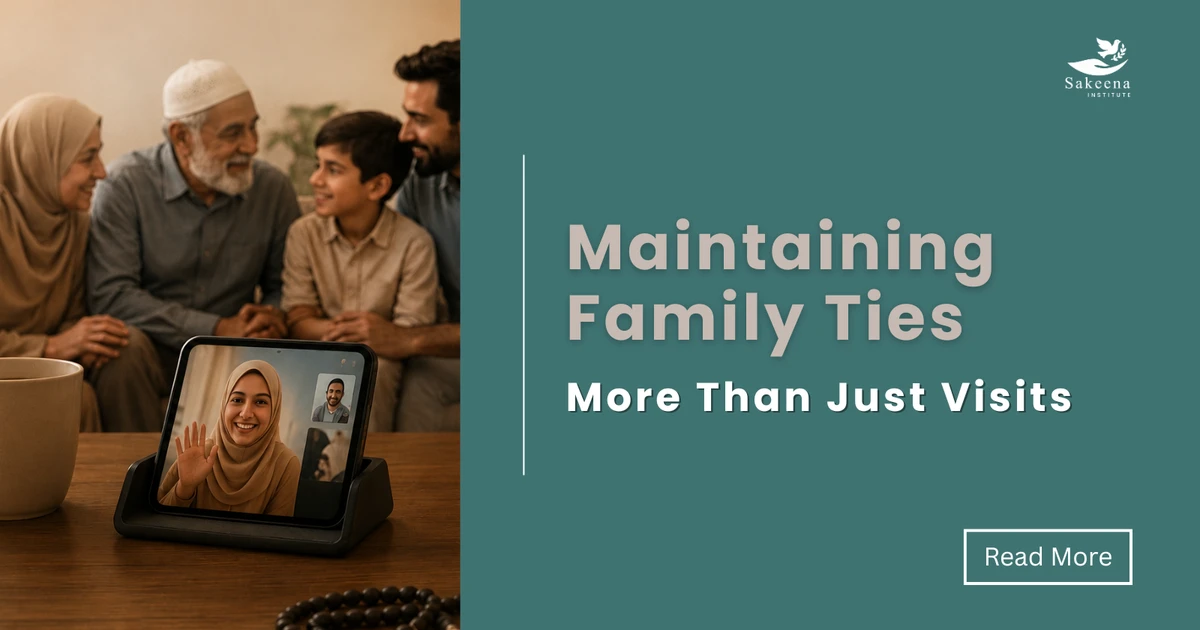
Maintaining these ties does not always require big gestures or frequent physical visits, which may be difficult due to distance or busy schedules. In our modern age, practical ways to uphold Silat al-Rahm include regular check-ins through phone calls, text messages, or video chats. These simple acts of communication signal to our relatives that they remain in our thoughts and hearts, bridging the gap when physical presence is not possible.
Also supporting family members during their times of difficulty (whether through emotional encouragement, financial assistance, or sincere dua) is a profound way to strengthen these bonds. Emphasizing small, consistent gestures of kindness and showing up during milestones or hardships contributes significantly to building resilient and loving relationships, fulfilling the divine command to cherish our kinship.
Such is the beauty of Islam. Through maintaining these family ties, a strong community is built and everyone is always connected. Can you imagine how this impacts people’s mental health? When they constantly feel connected, in touch, and cared for?
It is actually incredible how Islam ensured that no one gets left behind. Modern psychology has repeatedly shown that one of the greatest protective factors against anxiety, depression, and chronic stress is not wealth, success, or achievement. It is connection.
Human beings are created for relationships. We are wired to belong, to be seen, and to know that there are people who will answer when we call. Loneliness, on the other hand, is not merely the absence of company. It is the feeling that no one notices your absence, understands your struggles, or shares your burdens. Over time, that kind of isolation begins to shape the way a person thinks. It can make problems feel heavier than they are and convince the heart that it must carry everything alone.
Islam addresses this long before loneliness becomes a crisis. By making Silat al-Rahm an act of worship rather than a matter of convenience, it creates a system in which relationships are preserved intentionally. Family members are encouraged to check in, visit, support one another, celebrate together, and stand beside each other during hardship. These interactions are not simply social customs. They are acts of obedience to Allah.
This changes the entire purpose of family relationships. You do not maintain ties only because everyone gets along or because it is easy. You maintain them because Allah commanded you to. Even when personalities differ, even when life becomes busy, and even when the effort feels one-sided, your motivation remains rooted in worship rather than emotion alone.
Perhaps this is why Allah linked His own Name, Ar-Rahman, to the rahim, the ties of kinship. Every time we choose connection over distance, forgiveness over resentment, or presence over neglect, we reflect a small glimpse of the mercy that Allah loves.
Imagine a society in which no elderly parent goes months without hearing from their children, no struggling sibling feels forgotten, and no relative quietly suffers believing no one cares. Imagine how many hearts would be comforted, how much loneliness would be eased, and how many silent battles would become lighter simply because someone reached out.
Sometimes the greatest act of worship is not found in extraordinary deeds. Sometimes it is a phone call. A visit. A message asking, "How are you really doing?"
A reminder that someone is loved, remembered, and never alone.
In preserving family ties, Islam is not only protecting the family.
It is protecting the human heart.