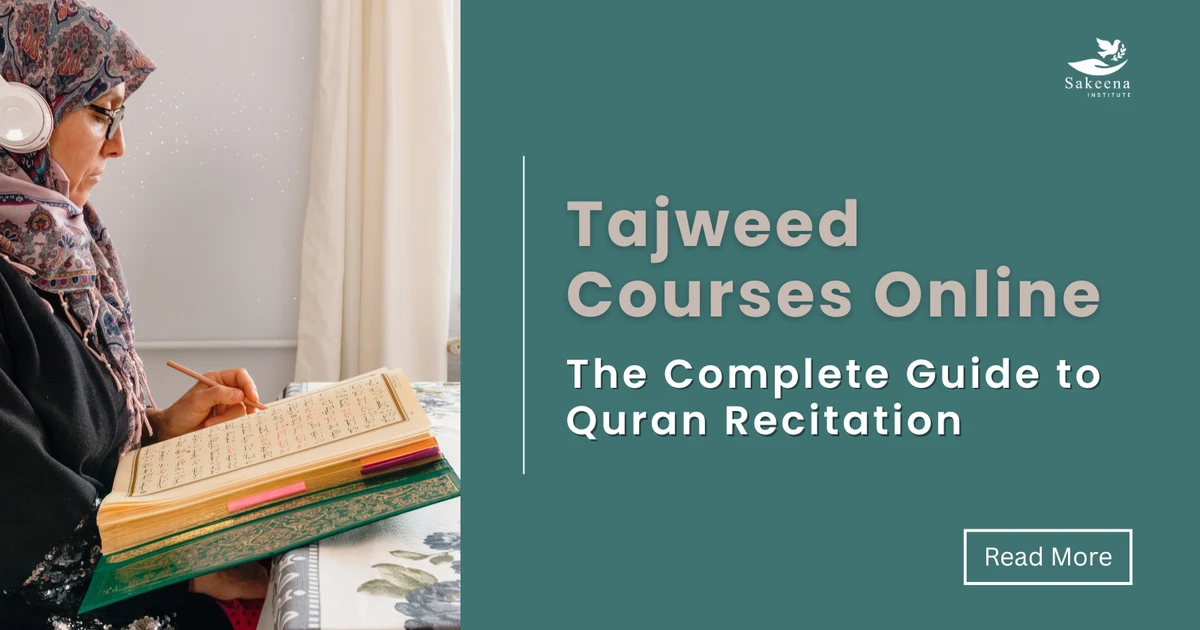

Enrolling in an online Tajweed course for beginners is the first meaningful step toward mastering correct Quran recitation. Tajweed ensures that every letter is pronounced from its proper point of articulation, preserving the original message of the Quran.
Many learners attempt self-study through videos, but without supervision, mistakes become habits. A structured program provides clarity, accountability, and consistent feedback. This is especially important for beginners who are still developing foundational pronunciation skills.
Why Beginners Need Proper Tajweed Guidance
Beginners often struggle with similar pronunciation mistakes, mixing letters like “Saad” and “Seen,” mispronouncing heavy and light letters, or ignoring elongation rules. These small errors can change meanings.
Through Quran pronunciation Tajweed online classes, students receive live correction and personalized guidance. A teacher listens carefully, corrects articulation, and ensures that each student builds strong fundamentals from day one.
What Is Tajweed and Why It Matters in Quran Recitation
The word “Tajweed” linguistically means “to improve” or “to make better.” In Quranic context, it refers to reciting the Quran with correct pronunciation and application of rules.
A structured tajweed Quran recitation course teaches learners how to pronounce each Arabic letter properly while applying essential rules. A comprehensive tajweed rules course online ensures that students understand not only how to recite but why certain sounds are prolonged, merged, or emphasized.
Tajweed preserves the Quran as it was revealed. It connects recitation to the prophetic tradition and ensures consistency across generations.
Benefits of Enrolling in an Online Tajweed Course for Beginners
Choosing one of the structured tajweed courses online offers multiple benefits:
- Learn from the comfort of your home
- Flexible scheduling for students worldwide
- Access to qualified and certified instructors
- Interactive correction and live feedback
The best Tajweed classes online combine structured curriculum with practical recitation practice. Students can ask questions in real time and build confidence through regular supervised reading.
Tajweed Lessons Live Online vs. Pre-Recorded Classes
Tajweed lessons live online offer direct interaction with teachers, immediate correction, and structured progression. Students stay accountable and motivated.
Pre-recorded lessons are helpful for revision, but they cannot replace live supervision. Beginners benefit most from real-time correction to avoid developing long-term mistakes.
Learn Tajweed Online Free vs. Structured Paid Courses
Many students search for ways to learn Tajweed online for free. Free resources such as YouTube videos and PDFs can introduce basic concepts. However, they lack personalized feedback.
Self-paced learning often leads to unnoticed mistakes. In contrast, structured paid courses provide accountability, assessment, and progress tracking. Guided learning ensures consistent improvement and correct application of Tajweed rules.
Tajweed Online Certification and International Recognition
Enrolling in a structured program often leads to tajweed online certification, which validates your learning. Certification is beneficial for:
- Aspiring Quran teachers
- Students seeking deeper knowledge
- Parents guiding their children
Programs offering Tajweed certification on an international level maintain high academic standards. Certification reflects dedication and proficiency in proper Quran recitation.
In the middle of your Tajweed journey, institutions like Sakeena Institute provide mentorship and structured pathways that prepare students for both personal growth and teaching opportunities.
What to Expect from a Tajweed Rules Course Online
A complete tajweed rules course online covers:
1. Makharij (Points of Articulation):
Students learn where each letter originates in the mouth and throat.
2. Sifaat (Characteristics of Letters):
Understanding heavy and light letters, breathy and strong sounds.
3. Noon Saakin & Tanween Rules:
Idgham, Ikhfa, Iqlab, and Izhar explained with practice.
4. Madd Rules:
Learning elongation types and correct durations.
5. Practical Recitation Exercises:
Applying rules while reciting verses under supervision.
A well-designed tajweed Quran recitation course ensures theory and practice go hand in hand.
How to Choose the Best Tajweed Classes Online
When selecting from available tajweed courses online consider:
- Qualified and experienced instructors
- Positive student reviews
- Structured curriculum with clear milestones
- Flexible scheduling options
- Availability of female teachers (if required)
The best Tajweed classes online prioritize both technical precision and spiritual development.
Start Your Tajweed Journey Today
Beginning an online Tajweed course for beginners is more than academic learning. It is a spiritual investment. Correct recitation increases confidence in Salah and deepens your connection with the Quran.
Look for institutes offering trial classes or consultation sessions. Explore the Quran Courses page to understand available programs. Visit the About Teachers section to learn about instructor qualifications. Reach out through the Contact page to ask questions and get started.
Conclusion
If you are ready to improve your recitation, enroll in an online Tajweed course for beginners today. Structured learning, live correction, and proper guidance can transform your relationship with the Quran.
Take the first step toward confident and correct recitation. Register for a trial class or contact the team at Sakeena Institute to begin your journey with clarity and spiritual growth.