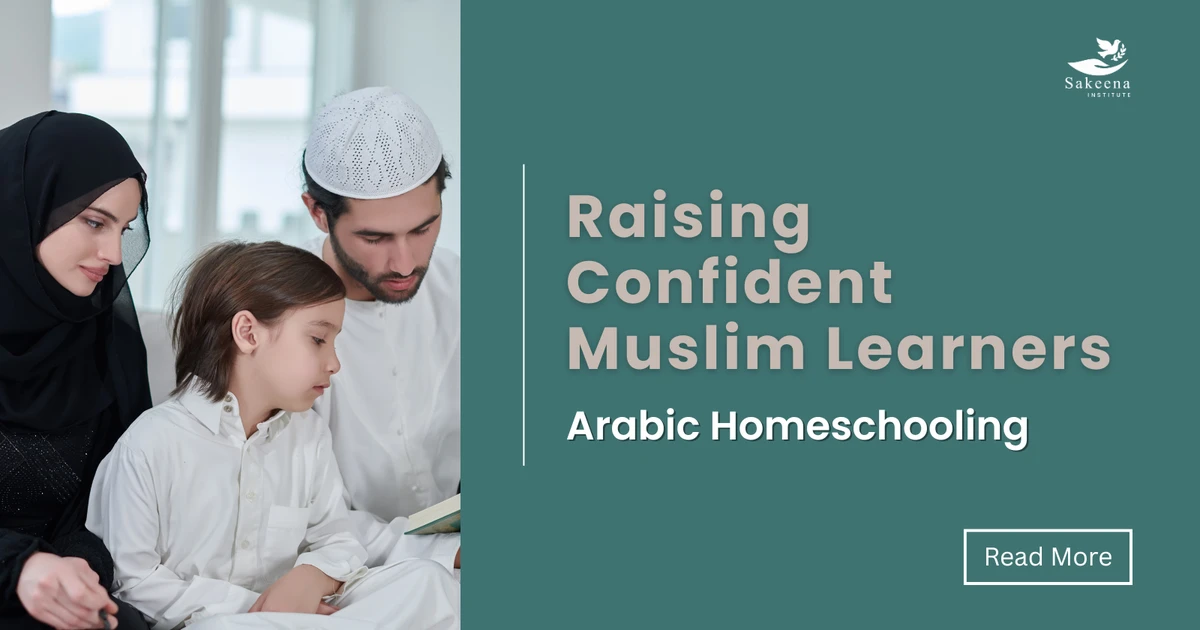

For many families, choosing the right Arabic homeschool curriculum for kids can feel overwhelming, especially when they’re looking for something structured, engaging, and firmly rooted in faith.
At its heart, homeschooling Arabic is about much more than language. It’s about identity, a deeper connection to the Qur’an, and raising children with confidence in their Islamic values from an early age. This guide offers a clear overview of Islamic homeschool curricula along with practical insights to help you choose what best fits your child.
What Is an Arabic Homeschool Curriculum for Kids?
An Arabic homeschool curriculum for kids is a structured learning plan designed to teach children the Arabic language at home. It usually covers reading, writing, listening, and speaking, while also integrating Islamic themes to strengthen faith and character.
Many Muslim families prioritize Arabic because it is the language of the Qur’an. Learning it helps children connect more deeply with their prayers, duas, and overall Islamic heritage. A strong curriculum doesn’t just build vocabulary, it develops fluency, comprehension, and a genuine love for the language.
A well-designed program typically includes:
- Step-by-step lesson progression
- Age-appropriate activities
- Islamic values and context
- Simple tools to track progress
Together, these elements create a learning experience that is both meaningful and structured.
Key Components of a Strong Arabic Homeschooling Curriculum
A strong Arabic homeschooling curriculum should be balanced, clear, and flexible enough to suit different learning styles.
Language Foundations: Reading, Writing, and Speaking
Most effective programs begin with the basics:
- Recognizing Arabic letters
- Learning correct pronunciation (Makharij)
- Building Foundational Vocabulary
- Forming simple sentences
- Practicing everyday conversation
Children gradually progress from identifying letters to reading short texts and forming basic dialogues. Repetition, visuals, and interactive practice play a key role in helping them retain what they learn.
Quranic Arabic vs. Modern Standard Arabic
It’s important for parents to understand the distinction:
- Quranic Arabic focuses on understanding the Qur’an and classical Islamic texts.
- Modern Standard Arabic (MSA) is used in books, media, and formal communication today.
Some homeschooling programs focus mainly on Qur’anic understanding, while others combine both approaches. Ideally, a strong curriculum blends language learning with Islamic studies, reinforcing adab (manners), faith, and character alongside Arabic skills.
Structured Levels and Flexible Learning
Good programs are usually divided into beginner, intermediate, and advanced levels. This helps children progress at a steady pace while allowing families to adjust based on age, ability, and schedule.
Types of Arabic Homeschooling Programs Available
Today’s parents can choose from several formats depending on their lifestyle and goals.
1. Structured Curriculum-Based Programs
These come with full lesson plans, workbooks, teacher guides, and assessments. They offer consistency and clear learning milestones.
2. Flexible Learning Approaches
These allow parents to mix and match resources and design a personalized learning path that suits their child.
3. Online Arabic Homeschool Programs
Homeschool Arabic lessons online include live classes, recorded sessions, and interactive exercises with qualified teachers. They are especially helpful for families who want guided instruction.
4. Printable Resources
An Islamic homeschool curriculum printable option includes worksheets, flashcards, and PDFs that support screen-free learning and daily practice.
Each option has its strengths—the best choice depends on your child’s learning style and your daily routine.
How to Teach Arabic at Home Effectively
Many parents wonder how to teach Arabic at home without formal training. The truth is, consistency matters more than perfection.
Practical Tips
- Keep lessons short and consistent (15–30 minutes for younger children)
- Use visuals, storytelling, and repetition
- Label objects around the home in Arabic
- Play Arabic nasheeds, cartoons, or audio clips
- Encourage simple daily conversation in Arabic
Age-Based Learning Approach
- Ages 4–6: Focus on letters, sounds, and recognition
- Ages 7–10: Build reading skills and vocabulary
- Ages 11+: Introduce grammar and deeper comprehension
Even small, consistent exposure can lead to strong long-term results.
Choosing the Best Arabic Curriculum for Muslim Families
Selecting the right Arabic curriculum for Muslim families requires thoughtful consideration.
What to Look For
- Authentic Islamic content: Ensure teachings align with correct Islamic principles
- Clear structure: A step-by-step plan prevents gaps in learning
- Cultural relevance: Content should feel meaningful and relatable to the child
- Guidance and support: Access to teachers or mentorship can make a big difference
A strong curriculum should combine language, faith, and character development in a natural and balanced way.
Some educational models, including those inspired by Sakeena Institute, emphasize not only academic learning but also emotional growth and a strong spiritual foundation—helping children develop holistically, not just linguistically.
Essential Muslim Homeschool Resources for Arabic Learning
Supporting materials can significantly enhance the learning experience.
Helpful resources include:
- Arabic flashcards for vocabulary
- Illustrated storybooks with translations
- Pronunciation and listening apps
- Grammar and writing worksheets
- Audio recitations for immersion
When combined with a structured curriculum, these tools help create a well-rounded learning environment.
Benefits of an Arabic Homeschool Curriculum for Kids
Investing in Arabic homeschooling brings long-term benefits that go beyond language.
Strengthening Islamic Identity
Children build a stronger connection to their faith and heritage.
Improving Qur’an Understanding
Arabic comprehension helps transform recitation into reflection and meaning.
Building Confidence
Language skills empower children socially, academically, and spiritually.
Enhancing Cognitive Development
Bilingual learning supports memory, focus, and problem-solving abilities.
Ultimately, Arabic homeschooling nurtures not only knowledge but also emotional and spiritual growth.
Conclusion: Building a Meaningful Foundation Through Arabic Learning
Choosing the right Arabic homeschool curriculum for kids is about more than academics—it’s about shaping identity, strengthening faith, and raising confident, grounded children.
With the right structure, supportive resources, and consistent practice, parents can create a rich learning environment at home that grows with their child over time.
Whether you choose a structured program or a more flexible approach, the key is consistency and intention. Over time, Arabic learning becomes not just a subject—but a meaningful connection to faith, language, and purpose.