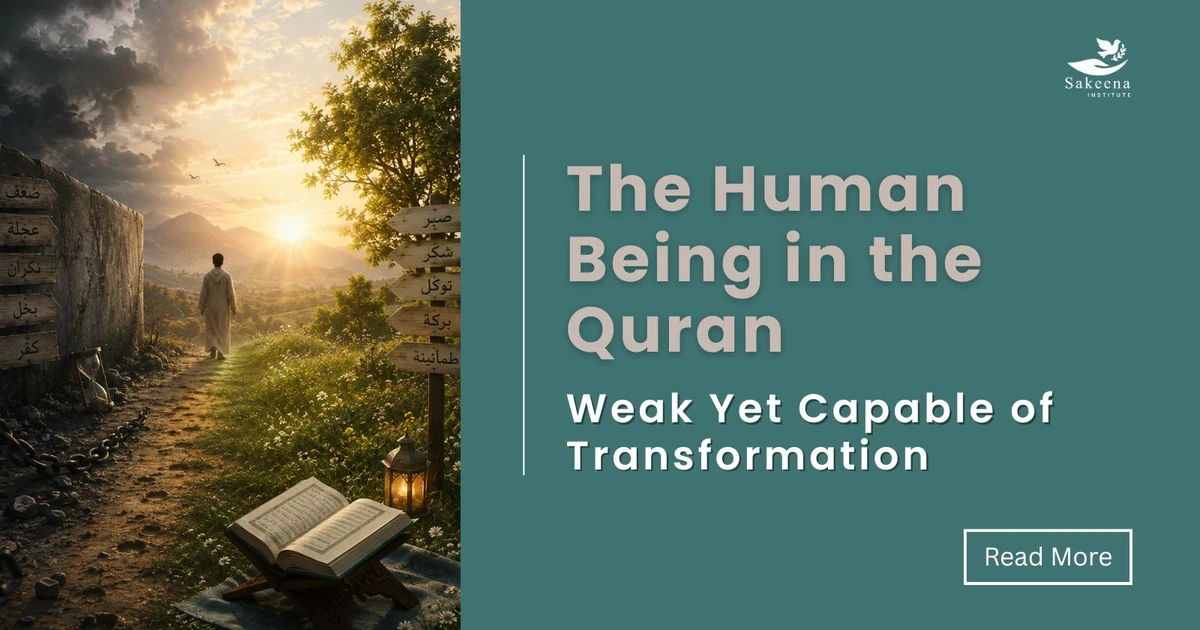

Most verses that talk about human beings in the Quran are actually not so good. If you were to combine all the verses that mention the word “human,” you’d be surprised to see that the description does not lean towards the positive side.
1. The human being is weak
يُرِيدُ ٱللَّهُ أَن يُخَفِّفَ عَنكُمْ ۚ وَخُلِقَ ٱلْإِنسَـٰنُ ضَعِيفًا
“Allah intends to lighten your burdens, for humankind was created weak.”
2. The human being is hasty
وَيَدْعُ ٱلْإِنسَـٰنُ بِٱلشَّرِّ دُعَآءَهُۥ بِٱلْخَيْرِ ۖ وَكَانَ ٱلْإِنسَـٰنُ عَجُولًا
“And humans ˹swiftly˺ pray for evil as they pray for good. For humankind is ever hasty.”
3. The human being is anxious, impatient and withholding
إِنَّ ٱلْإِنسَـٰنَ خُلِقَ هَلُوعًا إِذَا مَسَّهُ ٱلشَّرُّ جَزُوعًا وَإِذَا مَسَّهُ ٱلْخَيْرُ مَنُوعًا
“Indeed, humankind was created impatient: when touched with evil, they become distressed; and when touched with good, they become withholding.”
4. The human being is argumentative
وَلَقَدْ صَرَّفْنَا فِى هَـٰذَا ٱلْقُرْءَانِ لِلنَّاسِ مِن كُلِّ مَثَلٍۢ ۚ وَكَانَ ٱلْإِنسَـٰنُ أَكْثَرَ شَىْءٍۢ جَدَلًا
“We have surely set forth in this Quran every kind of lesson for people, but humankind is the most argumentative of all beings.”
5. The human being is openly quarrelsome
خَلَقَ ٱلْإِنسَـٰنَ مِن نُّطْفَةٍۢ فَإِذَا هُوَ خَصِيمٌۭ مُّبِينٌۭ
“He created humans from a sperm-drop, then—behold!—they openly challenge ˹Him˺.”
6. The human being can become tyrannical when he feels self-sufficient
كَلَّآ إِنَّ ٱلْإِنسَـٰنَ لَيَطْغَىٰٓ أَن رَّءَاهُ ٱسْتَغْنَىٰ
“Most certainly, one exceeds all bounds, seeing himself as self-sufficient.”
7. The human being is ungrateful
وَإِذَا مَسَّكُمُ ٱلضُّرُّ فِى ٱلْبَحْرِ ضَلَّ مَن تَدْعُونَ إِلَّآ إِيَّاهُ ۖ فَلَمَّا نَجَّىٰكُمْ إِلَى ٱلْبَرِّ أَعْرَضْتُمْ ۚ وَكَانَ ٱلْإِنسَـٰنُ كَفُورًا
“When you are touched with hardship at sea, you totally forget all those you normally invoke except Him. But when He delivers you safely to shore, you turn away. Humankind is ever ungrateful.”
8. The human being is miserly
قُل لَّوْ أَنتُمْ تَمْلِكُونَ خَزَآئِنَ رَحْمَةِ رَبِّىٓ إِذًا لَّأَمْسَكْتُمْ خَشْيَةَ ٱلْإِنفَاقِ ۚ وَكَانَ ٱلْإِنسَـٰنُ قَتُورًا
“Say ˹to them˺, ‘Even if you were to possess the infinite treasuries of my Lord’s mercy, you would certainly withhold them, fearing they would run out—for humankind is ever stingy!’”
9. The human being becomes arrogant when blessed
وَإِذَآ أَنْعَمْنَا عَلَى ٱلْإِنسَـٰنِ أَعْرَضَ وَنَأَىٰ بِجَانِبِهِۦ ۖ وَإِذَا مَسَّهُ ٱلشَّرُّ فَذُو دُعَآءٍ عَرِيضٍۢ
“When We show favour to someone, they turn away, acting arrogantly. And when touched with evil, they make endless prayers ˹for good˺.”
10. The human being becomes despairing and ungrateful when blessings are removed
وَلَئِنْ أَذَقْنَا ٱلْإِنسَـٰنَ مِنَّا رَحْمَةًۭ ثُمَّ نَزَعْنَـٰهَا مِنْهُ إِنَّهُۥ لَيَـُٔوسٌۭ كَفُورٌۭ
“If We give a human being a taste of Our mercy, then take it away from them, they become utterly hopeless and ungrateful.”
11. The human being forgets Allah after relief
وَإِذَا مَسَّ ٱلْإِنسَـٰنَ ٱلضُّرُّ دَعَانَا لِجَنۢبِهِۦٓ أَوْ قَاعِدًا أَوْ قَآئِمًا فَلَمَّا كَشَفْنَا عَنْهُ ضُرَّهُۥ مَرَّ كَأَن لَّمْ يَدْعُنَآ إِلَىٰ ضُرٍّۢ مَّسَّهُۥ ۚ كَذَٰلِكَ زُيِّنَ لِلْمُسْرِفِينَ مَا كَانُوا۟ يَعْمَلُونَ
“Whenever someone is touched by hardship, they cry out to Us… But when We relieve their hardship, they return to their old ways as if they had never cried to Us to remove any hardship!”
12. The human being attributes blessings to himself
فَإِذَا مَسَّ ٱلْإِنسَـٰنَ ضُرٌّۭ دَعَانَا ثُمَّ إِذَا خَوَّلْنَـٰهُ نِعْمَةًۭ مِّنَّا قَالَ إِنَّمَآ أُوتِيتُهُۥ عَلَىٰ عِلْمٍۢ ۚ بَلْ هِىَ فِتْنَةٌۭ وَلَـٰكِنَّ أَكْثَرَهُمْ لَا يَعْلَمُونَ
“When one is touched with hardship, they cry out to Us. Then when We shower Our blessings upon them, they say, ‘I have been granted all this only because of my knowledge.’ Not at all! It is only a test.”
13. The human being is profoundly unjust and ignorant
إِنَّا عَرَضْنَا ٱلْأَمَانَةَ عَلَى ٱلسَّمَـٰوَٰتِ وَٱلْأَرْضِ وَٱلْجِبَالِ فَأَبَيْنَ أَن يَحْمِلْنَهَا وَأَشْفَقْنَ مِنْهَا وَحَمَلَهَا ٱلْإِنسَـٰنُ ۖ إِنَّهُۥ كَانَ ظَلُومًا جَهُولًا
“We offered the trust to the heavens and the earth and the mountains, but they declined to bear it, being fearful of it. But humanity assumed it, for they are truly wrongful and ignorant.”
14. The human being can be extremely ungrateful
قُتِلَ ٱلْإِنسَـٰنُ مَآ أَكْفَرَهُۥ
“Condemned are ˹disbelieving˺ humans! How ungrateful they are ˹to Allah˺!”
15. The human being wants to continue sinning
بَلْ يُرِيدُ ٱلْإِنسَـٰنُ لِيَفْجُرَ أَمَامَهُۥ
“Still people want to deny what is yet to come.”
16. The human being misreads wealth as honor and poverty as humiliation
فَأَمَّا ٱلْإِنسَـٰنُ إِذَا مَا ٱبْتَلَىٰهُ رَبُّهُۥ فَأَكْرَمَهُۥ وَنَعَّمَهُۥ فَيَقُولُ رَبِّىٓ أَكْرَمَنِ وَأَمَّآ إِذَا مَا ٱبْتَلَىٰهُ فَقَدَرَ عَلَيْهِ رِزْقَهُۥ فَيَقُولُ رَبِّىٓ أَهَـٰنَنِ
“Now, whenever a human being is tested by their Lord through His generosity and blessings, they boast, ‘My Lord has honoured me!’ But when He tests them by limiting their provision, they protest, ‘My Lord has humiliated me!’”
The Quran is not merely telling us “this is what humans are like.” It is telling us:
This is what a human being is like when he remains governed by his raw nature. Revelation, īmān, ṣalāh, ṣabr, shukr and remembrance of Allah transform that nature.
So the Quranic project is not to destroy human nature, but to work on tazkiyah. To take the weak, anxious, hasty, needy human being and teach him how to become patient, grateful, humble, generous and dependent upon Allah.
And perhaps this is why the Qur’an’s description of the human being is actually deeply hopeful. Allah is not exposing these weaknesses to leave us feeling ashamed of who we are, but to make us aware of what needs to be purified. The human being may be naturally weak, hasty, anxious, forgetful, ungrateful and attached to what he has, but he is also capable of being transformed.
He can learn patience when he is naturally impatient, gratitude when he is naturally ungrateful, generosity when he is naturally withholding, humility when he is naturally drawn toward pride, and reliance upon Allah when he is naturally inclined toward self-sufficiency. This is what tazkiyah is about: Not destroying human nature, but disciplining it and directing it toward what Allah loves.
In fact, perhaps our weaknesses are part of what teaches us our greatest need for Allah.
If we were never weak, we would not experience the sweetness of relying upon the One who is Al-Qawiyy. If we never became anxious, we would not learn the tranquility that comes from remembering Him. If we never struggled with our desires, we would not experience the reward of overcoming them for His sake.
The goal is not to become a person who never struggles, but to become a person who knows where to turn when he does. Revelation takes the weak, needy and imperfect human being and teaches him how to live with his nature without being ruled by it, until his weakness becomes a reason to depend upon Allah, his blessings become a reason to be grateful, and his struggles become a path toward Him.
The Quran does not merely tell us who we are; it teaches us who we can become when we allow Allah’s guidance to transform us. And this creates a resilient Muslim who knows their purpose and continues to work on their weaknesses, day by day.
They do not expect themselves to become perfect overnight, nor do they allow their weaknesses to define them. Instead, they recognize them, seek Allah’s help in overcoming them, and keep returning to Him whenever they fall short.
This is the journey of tazkiyah: A lifelong process of becoming more patient, more grateful, more humble, more reliant upon Allah, and ultimately more like the believer that Allah wants us to become.