Marriage holds a special place in Islam. It’s not just a social agreement or a life milestone, it is also an act of worship. When Muslims understand the true significance of nikkah, they begin to see marriage as a spiritual commitment rooted in faith, responsibility, and mutual respect.
In Islam, nikkah is more than two people coming together. It is a covenant established under the guidance of Allah, meant to build peaceful homes and strong communities. It carries both spiritual meaning and legal weight within Islamic law. Understanding this helps couples approach marriage with sincerity, awareness, and purpose.
The True Significance of Nikkah
At its core, nikkah is deeply spiritual. Islam encourages marriage not only for companionship, but as a means of protecting one’s faith, preserving morality, and building a stable society.
The Prophet Muhammad ﷺ said, “Marriage is part of my Sunnah,” reminding us that marriage is not merely cultural, but an act of devotion and following of the Prophetic way.
Why Nikkah Is Considered Worship
Nikkah becomes an act of worship when it is entered with the right intention. It helps protect individuals from harmful behavior, provides a halal space for emotional companionship, and nurtures mercy and tranquility between spouses.
Scholars often describe marriage as completing half of one’s faith because it cultivates responsibility, patience, and self-discipline. It is not simply about living together, but about growing together in a way that is pleasing to Allah.
The Meaning of Nikkah in Islam
The word nikkah comes from Arabic and refers to a union or contract. In Islamic law, it is a sacred and legally binding agreement between a man and a woman.
The Qur’an describes marriage as “a strong covenant” (Qur’an 4:21), which highlights the seriousness and depth of this commitment. It is not temporary or casual, but a partnership built on trust and accountability before Allah.
Rights and Responsibilities in Marriage
Islam establishes a balanced framework of rights and responsibilities for both spouses. The husband is obligated to provide financial support, care, and protection, while the wife is granted full rights to dignity, security, and maintenance.
At the same time, both spouses are commanded to treat one another with kindness and good character. Allah says to live together in kindness (ma‘ruf), which forms the foundation of a healthy and compassionate relationship.
Marriage in Islam is not about control, but about cooperation, mercy, and mutual support.
The Islamic Marriage Ceremony
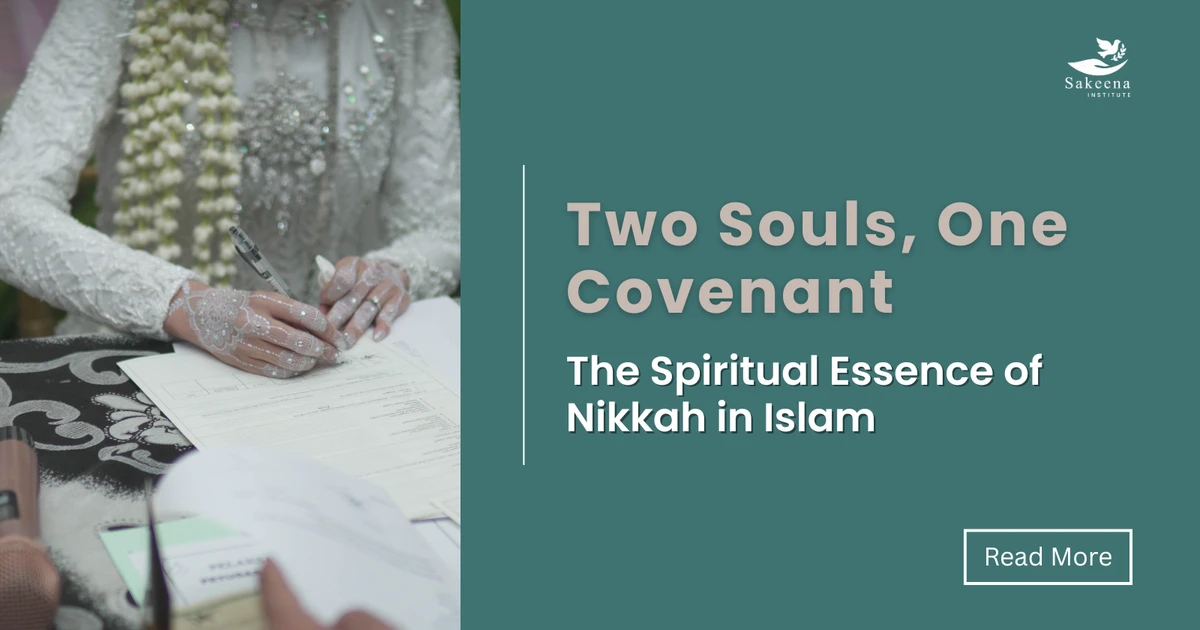
The nikkah ceremony is simple, yet meaningful. Islam does not encourage unnecessary complexity, but focuses on clarity, consent, and transparency.
The process begins with a clear proposal and acceptance (ijab and qubool) in the same gathering. At least two trustworthy witnesses must be present to ensure the validity of the marriage.
A wali, usually the bride’s father or guardian, is required according to the majority of scholars to safeguard her interests and ensure proper consent.
A khutbah is often delivered, reminding the couple of taqwa, mutual respect, and their responsibilities toward one another. While recommended, it is not a condition for validity.
Nikkah Requirements in Islam
For a marriage to be valid in Islam, several key conditions must be fulfilled. Both individuals must give free and willing consent without pressure.
The husband must provide mahr, a mandatory gift given to the wife as a symbol of honor and commitment. Its amount and form can be agreed upon mutually.
Witnesses must be present, and the marriage should be publicly acknowledged to prevent secrecy and protect the rights of both parties.
Above all, the marriage must be conducted in accordance with Islamic ethics, including honesty, responsibility, and clarity.
Nikkah and Civil Marriage
Nikkah is both a religious and legal contract within Islam, establishing rights and responsibilities before Allah. Civil marriage, on the other hand, is a legal agreement recognized by the state.
In many contexts today, both are necessary. Civil registration protects legal rights in this world, while nikkah fulfills the religious obligations of marriage. Together, they ensure both legal and spiritual accountability.
Islamic Marriage Terms Made Simple
There are a few key terms often used in Islamic marriages. Mahr is the obligatory gift given by the husband to the wife. The wali is the guardian who represents and protects the bride’s interests.
The nikahnama is the written contract outlining the agreed terms of the marriage. Witnesses are present to confirm and validate the union.
Understanding these terms helps couples enter marriage with clarity, fairness, and mutual understanding.
The Benefits of Nikkah
Marriage in Islam offers far more than companionship. It helps protect one’s faith, supports emotional well-being, and creates a stable foundation for family life.
Healthy marriages lead to strong families, and strong families contribute to balanced and ethical communities. When approached with sincerity, nikkah becomes a source of tranquility, mercy, and personal growth.
Building a Successful Marriage
A successful marriage requires continuous effort from both spouses. Open communication helps prevent misunderstandings, while mutual respect strengthens the relationship.
Living by Islamic values brings real barakah into the home. Praying together, practicing patience, forgiving one another, and showing gratitude all contribute to a peaceful and loving environment.
The Prophet ﷺ demonstrated the best example through his gentleness, compassion, and care within marriage.
Conclusion
The true beauty of nikkah lies in its purpose. It unites two individuals not only emotionally, but spiritually, through a bond built on faith, mercy, and responsibility.
By understanding the meaning, conditions, and responsibilities of Islamic marriage, Muslims are better prepared to build relationships that are strong, balanced, and pleasing to Allah.
Approaching nikkah with knowledge and sincerity transforms it from a simple contract into a lifelong journey of growth, companionship, and worship.