
Your instructor
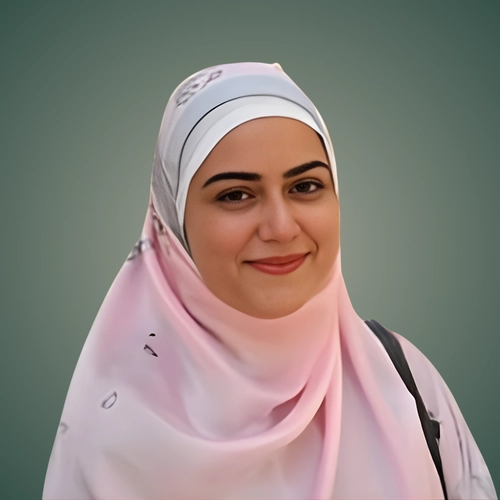 Your instructorZainab FarrukhTherapist
Zainab Farrukh brings seven years of experience in trauma-informed care and mental wellness. Her approach blends evidence-based techniques with cultural sensitivity, recognizing that effective therapy requires understanding each person's background and context. She works with individuals and families facing trauma, relationship difficulties, and emotional challenges
View profileThis course includes
- Duration
- 5 hours (5 weeks)
- Lessons
- 10 in 5 modules
- Category
- Islamic Psychology
- Discussion forum
- Opens after you enrollJoin the discussion
Trauma Resilience in Islam Course: A Faith-Based Healing Approach
This is a RECORDED course. No live sessions included. You will have lifetime access to the recorded courses in your dashboard. Please check the Upcoming courses for live sessions.
Course Outline
10 lessons • 5 weeks
Defining Crisis and Finding Meaning in Challenge
Module 1 • 2 lessons • 49 min
Defining Crisis and Finding Meaning in Challenge
Module 1 • 2 lessons • 49 min
The Body’s Alarm System and the Window of Tolerance
Module 2 • 2 lessons • 1 hr 4 min
The Body’s Alarm System and the Window of Tolerance
Module 2 • 2 lessons • 1 hr 4 min
Processing Loss and Cultivating Active Resilience
Module 3 • 2 lessons • 59 min
Processing Loss and Cultivating Active Resilience
Module 3 • 2 lessons • 59 min
Processing Practice as Regulation Tools
Module 4 • 2 lessons • 54 min
Processing Practice as Regulation Tools
Module 4 • 2 lessons • 54 min
Integration, Purpose, and Post Traumatic Growth
Module 5 • 2 lessons • 53 min
Integration, Purpose, and Post Traumatic Growth
Module 5 • 2 lessons • 53 min
About this course
Now available as a recorded, self-paced course
Trauma Resilience in Islam Course
Welcome to the Trauma Resilience in Islam Course at Sakeena Institute. This course combines spiritual teachings from the Qur'an with modern psychological insights, providing a comprehensive approach to Islamic trauma healing and resilience. Participants will learn faith-based techniques for navigating trauma and recovering emotionally while strengthening their resilience.
Session Breakdown and Key Concepts
Session 1: Defining Crisis and Finding Meaning in Challenge
- Understanding trauma and stress, including the differences between Big T and little t trauma, and stress responses
- Faith-based integration: Differentiating emotional pain from spiritual purification and understanding hardship as part of the divine plan (Muṣībah and Fitnah)
- Exploring the purpose of pain in life and how enduring suffering leads to personal growth and spiritual reward (Kaffārah)
- Identifying the difference between coping mechanisms and true healing, with an emphasis on self-reflection and Tawbah
Session 2: The Body's Alarm System and the Window of Tolerance
- Discussing the nervous system's response to trauma, including hyperarousal (fight/flight) and hypoarousal (freeze) states
- Faith-based integration: The qalb (heart) as the center of emotional processing and perception
- Introducing the window of tolerance, a state in which emotional regulation is optimal, and how it aligns with the spiritual goal of achieving nafs al-muṭma'innah (the tranquil soul)
- Techniques for cultivating sakīnah (inner peace) through emotional regulation and spiritual practices
Session 3: Processing Loss and Cultivating Active Resilience
- Validating grief (ḥuzn) and emotional loss, while drawing on Prophetic examples of healthy grief and emotional expression
- Defining active patience (ṣabr) as proactive endurance, emphasizing the importance of steadfastness and discipline in the face of adversity
- Tawakkul: Practicing radical trust in the Divine, balancing personal effort with reliance on God's wisdom and outcomes
Session 4: Processing Practice as Regulation Tools
- Using rhythmic dhikr (remembrance) to calm the nervous system and regulate emotional responses, with affirmations like "lā ḥawla wa lā quwwata illā billāh" (There is no power and no strength except with Allah)
- Focusing on the role of structured prayer (ṣalāh) as a grounding mechanism and a tool for emotional regulation
- The importance of community (ukhuwwah) in the healing process, emphasizing the value of safe social connection and seeking professional consultation when necessary
Session 5: Integration, Purpose, and Post-Traumatic Growth
- Addressing spiritual guilt and releasing feelings of shame through tawbah (repentance) as a means of renewal and returning to the Creator
- Reclaiming your personal story, recognizing that trauma is a part of history, not a defining factor
- Post-traumatic growth (taqwā): Using trauma as a means to strengthen God-consciousness and refine character
Trauma Resilience Strategies in Islam
The Trauma Resilience in Islam Course provides practical Islamic mental health trauma strategies. This course emphasizes trauma-informed Islamic counseling and resilience training Islam to help individuals heal spiritually and emotionally. With tools based on faith, participants can transform their trauma into a source of strength and spiritual growth.
Course Objectives and Faith-Based Integration
By the end of this course, participants will:
- Understand the impact of trauma on the body, mind, and spirit
- Frame suffering within a theological understanding of trials in Islam
- Identify personal resilience strategies based on Islamic teachings (ṣabr, tawakkul)
- Use faith-based practices such as dhikr and ṣalāh for emotional regulation
- Cultivate a positive spiritual outlook, based on having a good expectation of Allah (ḥusn al-ẓann billāh)
Join Sakeena Institute's Trauma Resilience in Islam Course
At Sakeena Institute, we are dedicated to providing a faith-based trauma recovery approach. Our Islamic trauma healing methods empower individuals to transform their struggles into opportunities for spiritual and emotional growth. Join our Qur'an and trauma healing course to gain the tools to foster resilience and enhance your faith and life.
Reviews
Earn a certificate when you finish
Complete the course to receive a certificate you can share with employers, add to your CV or keep for yourself.
Membership students can unlock their certificate for 80% of the course price.Learn more
Complete all 10 lessons
Apply for a scholarship
If the course fee is a barrier, you can apply for a scholarship for Trauma Resilience in Islam Course: A Faith-Based Healing Approach. Tell us a little about your situation and our team will review your application.
Apply for a scholarshipRelated courses
40 Days Towards Change
by Elzahraa Hassane
Islamic Psychology Level 1 with Dr. Shahid Ijaz
by Dr. Shahid Ijaz
Understanding the Delays in Your Life (Healing the Hidden Blocks Through Faith & Tawakkul)
by Elzahraa Hassane
How to Become a Faith-Based Speaker & Coach
by Elzahraa Hassane