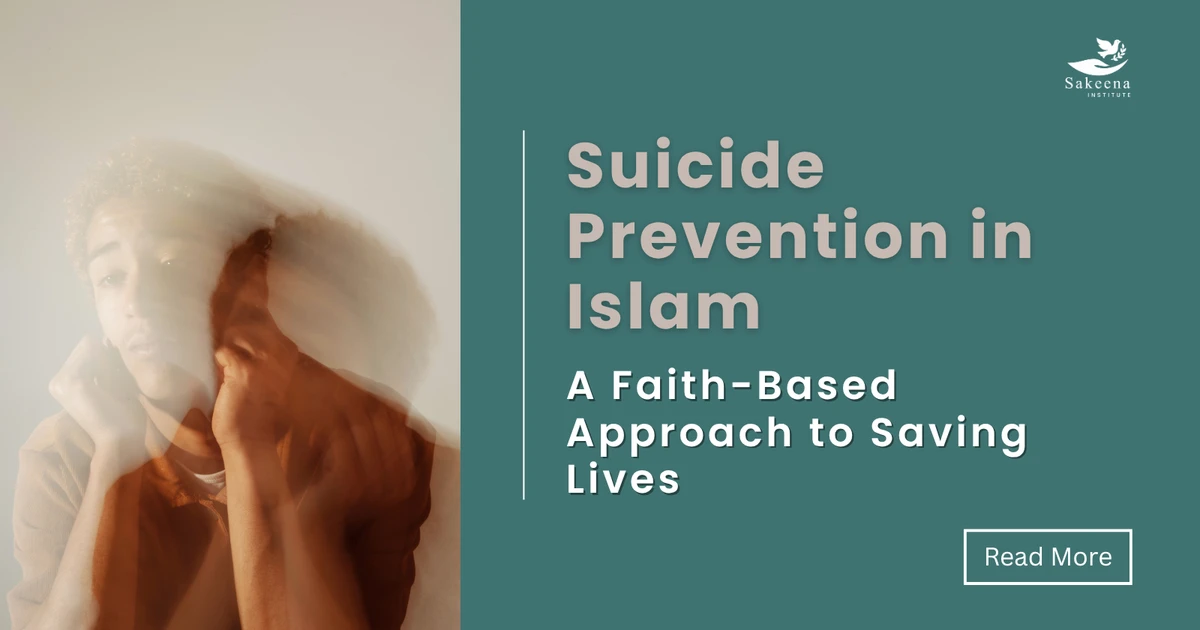

Suicide prevention in Islam is rooted in compassion, dignity, and the sacred value of human life. Islam recognizes emotional pain as real and serious, but it also provides spiritual, psychological, and communal tools to help individuals navigate despair. In a world where anxiety, depression, and isolation are significant concerns, faith-based guidance can become an important source of support.
At the same time, mental health struggles are complex. According to the World Health Organization (WHO), suicide remains a major global public health concern. Research indicates that substance use, depression, trauma, and untreated mental health conditions can increase suicide risk. For example, individuals struggling with substance use may face increased impulsivity, worsening depression, social isolation, and difficulty managing distress.
Islam does not ignore these realities. Instead, it offers a framework of hope, accountability, mercy, and support that can complement modern psychological understanding and professional mental health care.
Suicide Prevention in Islam: A Compassionate Framework
The foundation of suicide prevention in Islam begins with the sanctity of life. The Qur’an states:
“And do not kill yourselves. Indeed, Allah is ever Merciful to you.” (Qur’an 4:29)
Life in Islam is a trust (amanah). Preserving life is among the central objectives of Shariah (Maqasid al-Shariah). This sacred principle emphasizes the importance of protecting oneself from harm while encouraging believers to seek help when they are struggling.
Islam recognizes emotional suffering. Feelings of grief, hopelessness, and distress are acknowledged throughout Islamic history, and even the prophets experienced deep sorrow. However, the faith encourages believers not to lose hope in Allah’s mercy.
Modern psychology can complement this framework. Religious and spiritual coping may provide some individuals with hope, a sense of meaning, and community belonging. However, faith alone cannot prevent every suicide, and people experiencing suicidal thoughts may need professional mental health support alongside spiritual care. This connection between faith and mental health is an important part of suicide prevention in Muslim communities.
How Islam Teaches Suicide Prevention
Understanding how Islam teaches suicide prevention requires exploring three core spiritual concepts:
1. Rahmah (Mercy)
Allah’s mercy is emphasized repeatedly in the Qur’an. Believers are reminded that no matter how heavy their sins or struggles may feel, Allah’s mercy is vast. Remembering this mercy can help someone who feels overwhelmed or hopeless find the courage to seek support.
2. Sabr (Patience)
Patience in Islam does not mean suffering silently or refusing help. It means persevering through hardship while taking appropriate steps toward relief and recovery. Sabr can include speaking to someone trustworthy, seeking professional treatment, and allowing others to provide support.
3. Tawakkul (Trust in Allah)
Trust in Allah involves taking the necessary steps within one’s ability while relying on Him for the outcome. Seeking therapy, receiving medical treatment, and reaching out to family or community members can all be part of responding responsibly to hardship.
The Prophetic teachings strongly discourage self-harm while encouraging compassion toward those who struggle. Questions of religious accountability in cases involving severe mental illness require careful consideration and should not be reduced to generalizations. People experiencing serious psychological distress need compassion, appropriate treatment, and support rather than judgment.
Community also plays a protective role. Islam encourages connection through prayer, family ties, charity, and communal responsibility. Since isolation can increase vulnerability, reaching out to people who are struggling and helping them feel supported can be an important part of suicide prevention.
Qur’an and Suicide Prevention Guidance
Qur’anic guidance on suicide prevention centers on hope, mercy, and resilience. The Qur’an says:
“Do not despair of the mercy of Allah.” (Qur’an 39:53)
Despair can make it difficult for a person to imagine that their circumstances will improve. Yet the Qur’an does not dismiss human pain. It reminds believers that hardship and ease are part of life, saying:
“For indeed, with hardship [will be] ease. Indeed, with hardship [will be] ease.” (Qur’an 94:5–6)
These verses can offer spiritual reassurance to those facing overwhelming difficulties. Alongside professional care, practices such as identifying hopeless thoughts, developing healthier ways of responding to distress, and reconnecting with sources of meaning can support emotional wellbeing.
Islamic teachings also remind believers that trials do not necessarily mean that Allah has abandoned them. Although suffering should never be minimized or romanticized, a person may find comfort in their faith while receiving the practical and professional help they need.
Islamic Psychology, Suicide Prevention, and Mental Health
Islamic psychology and suicide prevention bring spiritual beliefs into conversation with psychological knowledge and therapeutic practices. Historically, Muslim scholars such as Al-Ghazali explored the inner life, emotional regulation, self-awareness, and spiritual purification. Contemporary Islamic psychology seeks to understand the relationship between these Islamic traditions and modern psychological approaches.
A balanced understanding of mental health recognizes that:
- Depression is a mental health condition that may require professional treatment.
- Some people with obsessive-compulsive disorder (OCD) experience intrusive, distressing thoughts, and research has also identified an association between OCD and increased suicide risk in some individuals.
- Trauma, abuse, substance use, and other mental health difficulties can increase vulnerability and may require specialized support.
For example, people experiencing OCD may have unwanted intrusive thoughts that cause considerable distress. Suicidal thoughts, however, should always be taken seriously and assessed appropriately, even when someone is unsure what those thoughts mean.
A qualified mental health professional can help individuals manage overwhelming emotions, challenge unhelpful thought patterns, and develop coping strategies. Seeking therapy is not a sign of weak faith; it is consistent with the Islamic encouragement to seek treatment. The Prophet Muhammad ﷺ said:
“Seek treatment, for Allah has not created a disease without creating a cure for it.”
Professional support combined with appropriate spiritual care can provide a more comprehensive approach to recovery. Religious guidance can offer comfort and meaning, while qualified clinicians can assess symptoms, evaluate risk, and recommend appropriate treatment.
Recognizing Suicide Warning Signs
Recognizing possible suicide warning signs can help people offer support and seek timely assistance. Warning signs vary from person to person, and no single sign can predict what someone will do. Possible indicators include:
Emotional Indicators
- Persistent hopelessness or a sense that nothing will improve.
- Feeling like a burden to others.
- Withdrawing from family, friends, or the wider community.
Behavioral Signs
- Talking about wanting to die or expressing thoughts of suicide.
- Giving away important possessions or saying goodbye in an unusual way.
- Increasing isolation or marked changes in behavior.
- A sudden change in mood after a period of severe distress, particularly when accompanied by other warning signs.
Clinical Risk Factors
- Major depressive disorder or other significant mental health conditions.
- OCD or other conditions that may be associated with increased suicide risk.
- Substance use problems.
- A previous suicide attempt.
Suicide risk is influenced by many factors, including mental health, life circumstances, access to support, and access to lethal means. Global patterns also show differences in suicide deaths and reported suicide attempts between men and women, although these patterns vary across countries and populations.
Awareness can reduce stigma and encourage earlier intervention. If someone talks about suicide, expresses an intention to harm themselves, or appears to be in immediate danger, listen without judgment, take their words seriously, and help them access urgent professional support.
The Islamic Approach to Suicide Prevention and Muslim Support
The Islamic approach to suicide prevention emphasizes compassion, practical assistance, and collective responsibility.
Practical steps for supporting a Muslim who may be experiencing suicidal thoughts include:
- Listening carefully and without judgment.
- Encouraging professional mental health support.
- Helping the person connect with trusted family members or friends, where appropriate and safe.
- Consulting knowledgeable imams who understand mental health concerns, alongside qualified clinicians.
- Creating safe, supportive spaces where people can speak honestly about their struggles.
Reducing the stigma surrounding mental health care in Muslim communities is essential. Mental illness should not automatically be interpreted as a punishment from Allah or evidence of weak iman. People can experience serious psychological difficulties while maintaining faith, and they deserve compassionate care.
Integrated support may combine counseling, spiritual guidance, and psychiatric treatment when appropriate. These forms of support can complement one another, but spiritual counseling should not replace professional assessment or treatment when these are needed.
If someone may be at immediate risk of suicide, do not leave them to manage the crisis alone. Help them contact local emergency services or reach an emergency department, and involve appropriate trusted support while prioritizing their safety.
Why Drug Abuse Increases Suicide Risk
Substance use can increase suicide risk by affecting mood, judgment, impulse control, and the ability to cope with distress. Psychologically, addiction may also contribute to shame, social withdrawal, relationship difficulties, and hopelessness.
People experiencing substance use problems may also have co-occurring conditions, such as depression or post-traumatic stress disorder (PTSD). When these difficulties occur together, they can make recovery more complicated and increase the need for coordinated support.
Islam prohibits intoxicants and emphasizes the protection of the mind and wellbeing. For someone struggling with addiction, recovery may involve medical care, psychological treatment, social support, and spiritual guidance. The appropriate approach depends on the individual’s circumstances and needs.
Seeking treatment for substance use is an important step toward recovery. Compassionate support can help people address the difficulties contributing to their substance use while working toward greater stability and safety.
Sakeena Institute Is Here to Support You
If you or someone you love is struggling, you are not alone. Compassionate support can make a difference, and faith and professional mental health care can work together to help restore hope and stability.
Reach out to Sakeena Institute to learn about its Islamic counseling and mental health services. Early support can be important, and asking for help is a courageous step toward healing.
If you are experiencing suicidal thoughts or believe you may be in immediate danger, contact your local emergency number or go to the nearest emergency department. If someone else is at immediate risk, seek urgent professional help and stay with them if it is safe to do so.
Frequently Asked Questions
What Does Islam Say About Suicide?
Islam prohibits suicide while emphasizing the sanctity of human life, Allah’s mercy, and the importance of seeking help during hardship. People experiencing suicidal thoughts deserve compassion, protection, and appropriate support rather than condemnation.
How Can Islamic Teachings Help Prevent Suicide?
Islamic teachings encourage hope, patience, trust in Allah, and strong community bonds. These can provide spiritual comfort and a sense of belonging, while professional mental health care may be necessary for people experiencing serious distress.
Are Suicide Rates Different Between Men and Women?
Yes. Global data show differences in suicide death rates and reported suicide attempts between men and women. However, these patterns vary across countries and populations and should not be assumed to apply equally to every individual.
Is OCD Linked to Suicide Risk?
Research has found an association between OCD and increased suicide risk in some individuals. Not everyone with OCD experiences suicidal thoughts, but severe distress should be taken seriously. Professional assessment and treatment can help address symptoms and related risks.
Can a Muslim Seek Help from a Suicide Therapist?
Yes. Seeking professional help is consistent with the Islamic emphasis on preserving life and seeking treatment for illness. A qualified mental health professional can assess a person’s needs and provide appropriate care, while spiritual support may complement that treatment.