
Islam About Divorce: Understanding Marriage and Separation in Islam
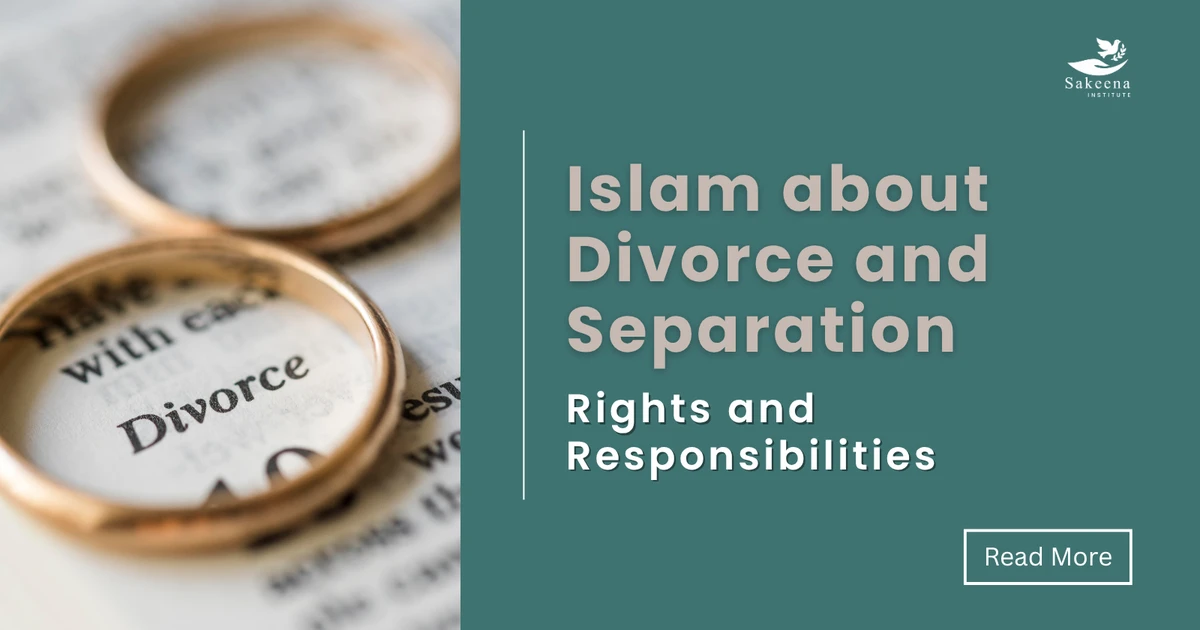
Marriage in Islam is considered a sacred bond built on love, mercy, and mutual respect. However, Islam also acknowledges that some marriages may not work despite sincere efforts at reconciliation. Islamic teachings about divorce recognize that separation is permitted when necessary, while emphasizing fairness, compassion, and dignity for both spouses.
Unlike cultural misconceptions, Islamic teachings provide guidance on protecting the rights of both spouses during separation. By understanding Islamic principles, couples can approach divorce responsibly while upholding justice, fulfilling their obligations, and protecting their emotional well-being.
Islam About Divorce: An Overview of Marriage and Separation in Islam
Islam places great importance on marriage. The Quran describes marriage as a relationship characterized by tranquility, love, and mercy (Surah Ar-Rum 30:21). Marriage provides an opportunity for emotional stability, companionship, and spiritual growth.
However, Islam recognizes that conflicts can sometimes become difficult to resolve. Divorce is therefore permitted, although spouses are encouraged to seek reconciliation when it is possible and appropriate.
A narration frequently quoted in discussions about divorce states:
“The most hateful of permissible things to Allah is divorce.”
This narration is reported in Sunan Abi Dawud (2178). However, scholars have differed over its authenticity, and it should not be presented as an unquestionably authentic hadith.
Islamic teachings emphasize that divorce should not be approached carelessly. The Quran encourages reconciliation and commands spouses to uphold fairness and kindness, whether they remain together or separate.
Divorce in Islam Explained: Quranic and Hadith Perspective
Understanding divorce in Islam requires examining the Quranic guidance and Prophetic teachings concerning marriage, reconciliation, and separation.
Quranic Perspective
The Quran outlines principles governing divorce in Surah Al-Baqarah and Surah At-Talaq. These teachings emphasize:
- Justice and fairness toward both spouses.
- Respectful communication and good treatment.
- Avoiding harm, revenge, and the misuse of marital rights.
- Observing the prescribed waiting period, known as iddah.
- Fulfilling financial obligations and respecting each spouse's rights.
Allah instructs believers to either retain their spouses honorably or release them with kindness. In Surah Al-Baqarah (2:229), the Quran warns against retaining a wife to cause her harm. These teachings establish that divorce must not become an opportunity for oppression or retaliation.
Prophetic Teachings
The Prophet Muhammad ﷺ taught Muslims to treat their spouses with good character and consideration. His teachings encourage patience, understanding, and responsible decision-making in marital relationships.
Although reconciliation is encouraged, Islam does not require spouses to remain in every marriage regardless of the circumstances. When a marriage becomes harmful or cannot reasonably continue, divorce may be a legitimate option. Decisions should be made with careful consideration of Islamic rulings, personal circumstances, and the rights of everyone involved.
Islamic Divorce Rulings and Types of Divorce
Islamic divorce rulings address different circumstances in which a marriage may end. The applicable procedure and consequences depend on the circumstances, the type of separation, and the relevant Islamic legal school.
Talaq: Divorce Initiated by the Husband
Talaq refers to divorce initiated by the husband. Islamic teachings establish rules concerning its pronouncement, timing, waiting period, and consequences.
In the commonly prescribed procedure for a first or second revocable divorce, the husband pronounces divorce during a period of purity in which marital intercourse has not occurred. The details of valid pronouncements, including the effects of anger, coercion, and multiple pronouncements, require qualified scholarly guidance.
Islam discourages impulsive divorce and the use of divorce as a threat or a means of controlling a spouse. The Quran also establishes opportunities for reconciliation during the waiting period in cases of revocable divorce.
Khula: Divorce Sought by the Wife
Khula is a form of separation sought by the wife, generally involving an agreement with the husband and, in many cases, the return of the mahr or another form of compensation.
Khula recognizes that a woman may seek to end a marriage when she believes she cannot continue in it. However, the precise requirements and legal consequences vary according to the circumstances and scholarly interpretations.
Khula should not be confused with every form of divorce initiated by a woman. In certain circumstances, a woman may also seek judicial dissolution of the marriage, including on grounds recognized by the applicable Islamic legal framework.
Mubarat: Mutual Divorce in Islam
Mubarat refers to a form of separation in which both spouses mutually wish to end the marriage. Its precise classification and legal consequences vary among Islamic legal schools.
Mutual agreement can help spouses separate with less conflict, but it does not remove their obligations to observe applicable Islamic rulings and protect one another's rights.
Islamic Divorce Process Steps
The Islamic divorce process emphasizes careful consideration, reconciliation where appropriate, and compliance with the relevant rules. The precise procedure differs according to the type of divorce and the circumstances.
1. Attempt at Reconciliation
When marital problems arise, spouses may attempt to resolve them through honest communication, patience, and practical changes. Qualified counselors or trusted scholars can help identify underlying problems and clarify each spouse's responsibilities.
Reconciliation should be pursued when it is safe and appropriate. Where abuse or serious harm is present, safety must take priority.
2. Role of Family and Arbitration
When serious marital discord persists, the Quran recommends appointing arbitrators from both families.
Allah says in Surah An-Nisa (4:35):
“If you fear dissension between the two, send an arbitrator from his people and an arbitrator from her people.”
The verse encourages efforts to resolve disputes fairly and responsibly. If family involvement would be unsafe, coercive, or counterproductive, appropriate professional support may be more suitable.
3. Waiting Period (Iddah)
Following certain forms of divorce, the wife observes a prescribed waiting period called iddah. Its duration depends on her circumstances and the type of separation.
For a divorced woman who menstruates, the Quran refers to three quru (Surah Al-Baqarah 2:228), a term interpreted differently by Islamic legal schools. For a woman who does not menstruate, the Quran specifies three lunar months in the circumstances described in Surah At-Talaq (65:4). A pregnant woman's waiting period ends when she gives birth, according to the same verse.
There are also exceptions. For example, a divorce before consummation generally does not require an iddah (Surah Al-Ahzab 33:49).
The waiting period serves specific legal purposes, including clarifying pregnancy status and, in cases of revocable divorce, allowing an opportunity for reconciliation. Its legal consequences should not be reduced to a single rule applicable to every divorce.
4. Finalization of Divorce
The legal status of a divorce depends on how it was initiated, the number and nature of previous divorces, and the applicable Islamic rulings.
A revocable divorce does not automatically become irrevocable simply because the waiting period ends. Rather, if reconciliation does not occur during the iddah, the revocable divorce becomes final at the end of that period. Other forms of separation may have different consequences.
Because divorce can affect remarriage, financial obligations, and legal rights, individuals should consult a qualified scholar familiar with their circumstances. They should also comply with applicable civil law.
Rights of Husband and Wife in Divorce Islam
Islam emphasizes justice and accountability when defining the rights of spouses during and after divorce. These rights depend on the circumstances of the separation and the relevant Islamic rulings.
Financial Rights
Important financial considerations include:
- Mahr: The wife's right to her mahr depends on the circumstances of the marriage and divorce. In many cases, she retains the mahr already received and remains entitled to any outstanding amount. Khula may involve returning some or all of the mahr, depending on the circumstances and applicable rulings.
- Maintenance: Financial support during iddah depends on the type of divorce and the circumstances. A divorced woman may have different entitlements depending on whether the divorce is revocable or irrevocable, whether she is pregnant, and other relevant factors.
- Children's financial support: Fathers generally remain responsible for their children's financial maintenance under Islamic law, subject to the relevant circumstances and legal framework.
These matters should be assessed individually rather than treated as identical in every divorce.
Custody and Upbringing of Children
Islam emphasizes children's welfare, care, and upbringing. Divorce should not be used to punish the other parent or undermine a child's relationship with either parent.
Custody and guardianship are distinct legal questions, and their rules can vary depending on the circumstances and the applicable school of Islamic law. Relevant considerations include the child's welfare, caregiving arrangements, and legal responsibilities.
Parents should aim to protect their children from unnecessary conflict and provide a stable, caring environment.
Emotional and Moral Responsibilities
Both spouses should avoid humiliation, false accusations, revenge, and the misuse of private information. The end of a marriage does not justify abandoning Islamic principles of honesty, fairness, and good character.
Where communication is necessary, especially when children are involved, respectful boundaries can help reduce conflict and protect everyone's well-being.
Effects of Divorce in Islam on Individuals and Society
The effects of divorce can extend beyond the legal end of a marriage, influencing emotional well-being, family relationships, and social circumstances.
Emotional and Psychological Effects
Divorce may bring sadness, grief, anxiety, relief, or uncertainty about the future. Each person's experience is different, and emotional healing may take time.
Islam encourages patience, prayer, seeking support, and placing trust in Allah. These spiritual practices can complement professional psychological care when needed. Experiencing grief after divorce does not indicate weak faith.
Impact on Children
Children may experience sadness, insecurity, or difficulty adjusting when their parents separate. The impact depends on factors such as the level of conflict, the child's age, and the quality of support available.
Islamic values encourage parents to prioritize their children's welfare, avoid involving them in adult disputes, and cooperate in fulfilling their responsibilities.
Social Consequences
Divorce can affect relationships with extended family and the wider community. In some communities, divorced individuals face unfair stigma or pressure to remain in harmful marriages.
Islamic teachings emphasize dignity, fairness, and compassion. Divorce should not be treated as proof of a person's moral failure, nor should divorced individuals be denied respect or opportunities for a fulfilling future.
Muslim Divorce Statistics and Modern Challenges
Discussions about Muslim divorce statistics require careful interpretation. Divorce rates differ substantially between countries, communities, and time periods. Reliable comparisons require clearly defined populations, consistent measurements, and current data.
Potential factors associated with marital breakdown include financial pressures, communication difficulties, unmet expectations, domestic abuse, and differences in values or life goals. Their relative importance varies across communities, and they should not be assumed to explain every divorce.
Cultural expectations can also create confusion when they are mistaken for Islamic requirements. Accessible education, premarital preparation, and appropriate counseling may help couples understand their rights and responsibilities more clearly.
Islamic Counseling for Divorce and Reconciliation
Islamic counseling can support individuals and couples who are experiencing marital difficulties. Effective support respects Islamic principles while recognizing emotional, psychological, and practical needs.
Role of Scholars and Counselors
Qualified Islamic scholars can clarify religious rulings, while appropriately trained therapists can help couples understand communication patterns, emotional needs, and recurring conflicts.
Depending on the circumstances, useful support may include:
- Guidance on Islamic marital rights and responsibilities.
- Help with communication and conflict resolution.
- Support in identifying harmful relationship patterns.
- Assistance in making informed decisions about reconciliation or separation.
Religious guidance and psychological counseling can complement one another, but neither should be used to pressure someone to remain in an unsafe relationship.
Importance of Mediation
Mediation can provide a structured setting in which spouses express their concerns, clarify misunderstandings, and explore possible solutions.
However, mediation is not appropriate in every situation. Where coercive control, intimidation, or abuse is present, separate professional support and safety planning may be more suitable than joint sessions.
When Divorce Becomes Necessary
Islam recognizes that separation may be necessary when a marriage cannot continue in a healthy or safe manner. Relevant circumstances may include:
- Abuse, violence, or other serious harm.
- Persistent incompatibility or unresolved conflict.
- A breakdown of trust that cannot reasonably be repaired.
- Significant emotional or psychological distress associated with the relationship.
Each situation requires careful consideration. Islam encourages reconciliation where appropriate, but preserving a marriage should not be used as a justification for tolerating abuse or denying someone their rights.
Divorce Prevention: Islamic Advice for Strong Marriages
Islam offers principles that can help spouses strengthen their relationship and address problems before they become more difficult to resolve. These principles do not guarantee that every marriage will succeed, but they can support healthier marital relationships.
1. Communication and Patience
Healthy marriages benefit from honest communication, active listening, and a willingness to understand each other's perspectives. Islam encourages good character, patience, and kind treatment between spouses.
Patience should not mean silently accepting abuse or repeatedly ignoring serious problems. It should involve responding wisely while taking appropriate steps to address harm.
2. Rights Awareness Before Marriage
Understanding marital rights and responsibilities before marriage can help couples establish realistic expectations. Discussions about finances, household responsibilities, family relationships, religious practices, and future goals can reduce misunderstandings.
Premarital education can also help couples recognize how they approach disagreement and how they might resolve it constructively.
3. Seeking Counseling Early
Seeking support early can help couples address recurring conflicts before they become deeply entrenched. A qualified counselor may help identify patterns that spouses struggle to recognize on their own.
Counseling should support informed decision-making rather than assume that reconciliation must always be the outcome.
4. Strengthening Faith and Mutual Respect
Prayer, Quran recitation, gratitude, and other acts of worship can nurture spiritual awareness and remind spouses of their responsibilities before Allah.
However, spiritual practices should accompany practical efforts to fulfill one another's rights, communicate honestly, and address problems. A strong marriage requires both sincere intentions and responsible actions.
Islam Encourages Healing, Not Harm
Islam promotes dignity, fairness, and compassion during marriage and after separation. Divorce should not become a justification for emotional cruelty, financial exploitation, or the destruction of family relationships.
Compassion After Divorce
Former spouses should treat one another fairly and respectfully. When children are involved, cooperation in their care and upbringing can help protect their emotional well-being.
Respectful conduct does not require former spouses to maintain unnecessary personal contact. Appropriate boundaries may be important for healing and safety.
Respectful Separation
The Quran instructs believers to separate honorably when reconciliation is no longer possible. In Surah Al-Baqarah (2:231), Allah warns against retaining a wife to cause her harm.
This principle highlights the importance of avoiding retaliation, withholding rights, and using divorce to inflict suffering. Both spouses should strive to uphold justice, even when emotions are difficult.
Moving Forward With Dignity
Divorce does not mean that a person's life, faith, or future has failed. Although separation may involve grief and uncertainty, it can also mark the beginning of a healthier chapter.
Muslims who experience divorce deserve compassion, community support, and the opportunity to rebuild their lives. They can seek closeness to Allah, pursue personal growth, and look toward the future with hope.
Seeking Guidance and Support
Understanding Islam's teachings about divorce helps individuals approach marital difficulties and separation with greater care. Islamic guidance emphasizes justice, compassion, the fulfillment of rights, and the importance of protecting people from harm.
If you or someone you know is experiencing marital challenges, seeking qualified Islamic guidance and professional counseling may provide clarity and support. At Sakeena Institute, individuals and couples can explore faith-informed guidance that supports emotional well-being, responsible decision-making, and respectful solutions.
Frequently Asked Questions (FAQs)
Is Divorce Allowed in Islam?
Yes. Divorce is permitted in Islam, although reconciliation is encouraged when it is possible and appropriate. Islamic teachings establish procedures and responsibilities intended to protect the rights of both spouses.
What Is the Proper Islamic Divorce Process?
The process depends on the circumstances and the type of separation. It may involve attempts at reconciliation, family arbitration, a formal divorce or separation procedure, and an applicable iddah period. Qualified scholarly guidance can help determine the correct procedure in an individual case.
What Rights Does a Woman Have After Divorce in Islam?
A woman's rights may include unpaid mahr, applicable financial maintenance, and rights relating to children. The details depend on the type of divorce, the circumstances, and the relevant Islamic rulings. Khula and judicial dissolution may have different legal and financial consequences.
Are Muslim Divorce Rates Increasing Today?
Divorce trends vary across Muslim-majority and Muslim-minority communities. Claims about increasing rates should be supported by reliable, current statistics from the specific country or population being discussed. Economic pressures, relationship difficulties, and changing social expectations may influence marital outcomes, but their effects differ by context.
How Can Islam Help Prevent Divorce?
Islam encourages kindness, communication, patience, fairness, and fulfillment of marital responsibilities. Premarital education, early counseling, and appropriate mediation can also help couples address difficulties. However, reconciliation is not always possible or safe, and divorce remains an option when necessary.