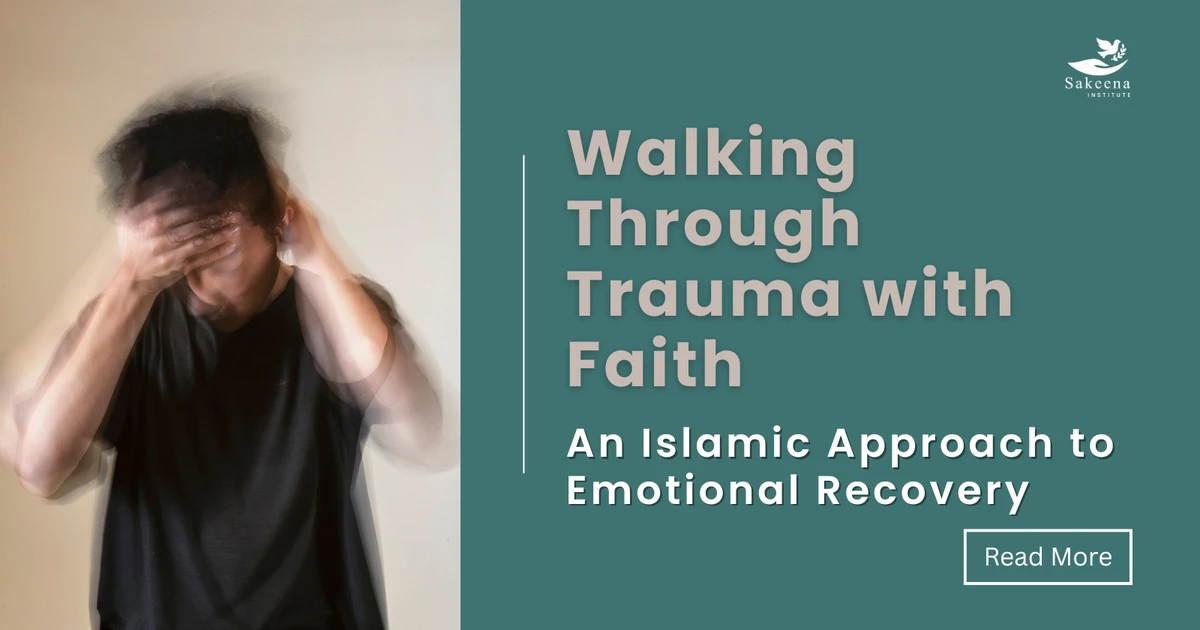

Trauma can deeply affect the mind, body, and soul. In recent years, many Muslims have begun exploring trauma healing in Islam as a holistic path that honors both psychological science and spiritual wisdom. Rather than separating faith from mental health, Islam offers a framework that integrates emotional recovery with divine guidance.
Trauma healing in Islam recognizes that painful experiences, whether abuse, loss, illness, or betrayal, leave both emotional and spiritual imprints. Modern psychology explains trauma as the nervous system’s response to overwhelming stress. Islam complements this understanding by addressing the heart (qalb), soul (ruh), and relationship with Allah. Together, they form a comprehensive path toward restoration and resilience.
This article explores how trauma healing in Islam provides practical tools, spiritual grounding, and compassionate support for those seeking recovery.
Trauma Healing in Islam: A Faith-Based Framework for Recovery
At its core, trauma healing in Islam is built on balance. Islam does not deny emotional pain, nor does it encourage suppressing it. Instead, it promotes awareness, patience, and seeking appropriate help.
Psychologically, trauma impacts memory, emotional regulation, and the nervous system. Spiritually, trauma can shake one’s sense of safety, trust, and purpose.
Islam addresses both dimensions by:
- Encouraging self-reflection (muhasabah)
- Promoting reliance on Allah (tawakkul)
- Allowing emotional expression without shame
- Supporting professional help when needed
The holistic nature of faith based trauma healing Islam teaches that healing is not only about symptom reduction but also about spiritual growth and renewed connection with Allah.
The Islamic Approach to Trauma and Emotional Wounds
The Islamic approach to trauma differs from purely secular models because it frames hardship within divine wisdom. Trauma is not automatically punishment. The Quran describes trials (ibtila) as tests that elevate spiritual rank and purify the believer.
Allah says in Surah Al-Baqarah (2:286):
لَا يُكَلِّفُ اللَّهُ نَفْسًا إِلَّا وُسْعَهَا
“Allah does not burden a soul beyond that it can bear.”
This verse provides reassurance without dismissing suffering.
The Islamic approach to trauma balances sabr (patience) with action. Patience does not mean silent endurance. It means remaining anchored in faith while actively seeking healing. This includes therapy, community support, and spiritual practices.
Through Islamic trauma recovery guidance, believers are reminded that seeking help aligns with the Prophetic tradition. The Prophet Muhammad (peace be upon him) encouraged treatment for illness, saying, “Seek treatment, for Allah has not created a disease without creating a cure for it.” (Sunan Abu Dawud)
Quran and Trauma Healing: Spiritual Anchors in Times of Distress
The connection between the Quran and trauma healing is profound.
The Quran describes itself as “a healing for what is in the breasts” (Surah Yunus 10:57).
Verses such as Surah Ash-Sharh (94:5–6) remind believers that "Indeed, with hardship comes ease."
Repeated recitation, reflection (tadabbur), and understanding of these verses can calm the nervous system. Studies in psychophysiology show that rhythmic recitation and controlled breathing reduce stress hormones. Dhikr (remembrance of Allah) functions similarly to grounding techniques used in trauma therapy.
Faith-Based Trauma Healing Islam Encourages
Faith based trauma healing Islam promotes tawakkul (trust in Allah) as a stabilizing force. Trust does not eliminate pain, but it reduces fear of the future. Salah regulates daily rhythm. Dhikr slows breathing. Dua provides emotional release.
These practices support nervous system regulation, a key element in trauma recovery. When integrated with therapy, they become powerful tools within Islamic trauma recovery guidance.
Islamic Psychology Trauma Therapy and Modern Integration
Islamic psychology trauma therapy bridges classical Islamic scholarship with contemporary mental health science. It acknowledges trauma responses such as hypervigilance, dissociation, and intrusive memories while grounding treatment in Islamic values.
Modern therapies like Cognitive Behavioral Therapy (CBT), trauma-informed care, and mindfulness can be harmonized with Islamic teachings. For example:
- Cognitive reframing aligns with tawakkul and positive assumptions about Allah.
- Mindfulness parallels muraqabah (awareness of Allah).
- Emotional validation reflects the Prophet’s compassionate interactions.
Islamic psychology trauma therapy rejects harmful statements like “just pray more.” Prayer is essential, but trauma recovery often requires structured support. A combined approach strengthens both faith and emotional stability.
Islamic Trauma Recovery Guidance for Survivors
Effective Islamic trauma recovery guidance includes practical and spiritual steps:
- Seeking Professional Help: Therapy from qualified Muslim or culturally competent counselors supports recovery.
- Community Support: The ummah provides belonging and accountability.
- Reframing Trauma: Understanding trials through divine wisdom fosters resilience.
For many individuals, Islamic counseling trauma survivors offers a safe space to process pain without compromising religious values. Confidential, faith-aligned therapy helps survivors feel understood.
Repeatedly, Islamic trauma recovery guidance emphasizes that seeking help is a sign of strength, not weak Iman.
Coping with Traumatic Stress in Islam
Islam encourages emotional awareness rather than suppression. Suppressed trauma often resurfaces as anxiety or depression. Islam validates grief. The Prophet (peace be upon him) wept at the loss of his son Ibrahim.
Healthy coping includes:
- Practicing sabr and shukr together
- Avoiding isolation
- Engaging in dhikr and dua
- Seeking therapy when symptoms persist
The framework of coping with traumatic stress supports long-term emotional balance by combining spiritual discipline with psychological insight.
The Role of Islamic Counseling for Trauma Survivors
Islamic counseling for trauma survivors provides culturally sensitive therapy that respects modesty, faith, and spiritual boundaries. Many Muslims hesitate to seek help due to stigma. However, professional counseling aligned with Islamic values removes this barrier.
Benefits include:
- Confidential support
- Faith-integrated therapeutic techniques
- Understanding of religious practices
- Reduction of shame
The growing field of Islamic psychology trauma therapy shows that integrated care improves long-term outcomes. When stigma decreases, more individuals access proper support.
Sakeena Institute Is Here to Support Your Healing
If you are searching for compassionate Islamic trauma healing, professional support can make a meaningful difference. At Sakeena Institute, we provide structured Islamic trauma recovery guidance, evidence-based care, and confidential Islamic counseling services.
Our approach integrates the Quran and trauma healing, therapeutic expertise, and personalized care plans. Whether you are navigating emotional wounds, traumatic stress, or seeking faith based Islamic trauma healing, you are not alone.
Healing is a journey, and seeking support reflects courage and wisdom.