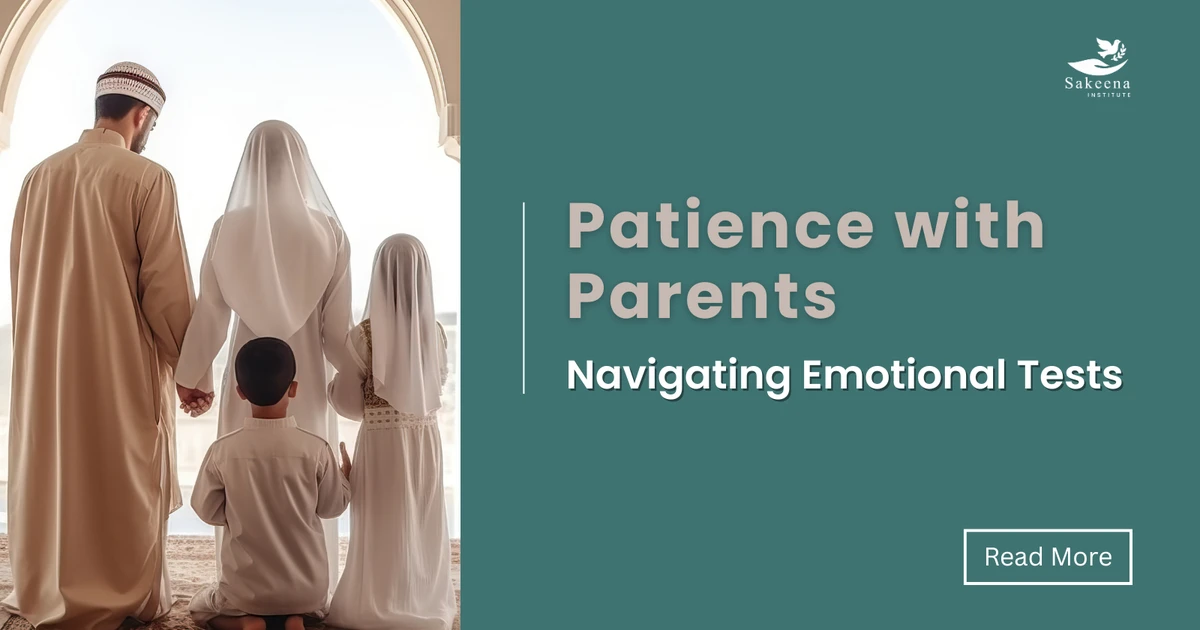

Family relationships can be one of the most emotionally complex parts of life. When parents are loving and fair, the bond feels like comfort and safety. But when they are strict, hurtful, or unfair, a child may feel torn between love, pain, and guilt.
Islam does not ignore this reality. It teaches us how to honor our parents while also protecting our emotional and spiritual well-being. The balance is not always easy, but it is deeply rooted in mercy, wisdom, and justice.
Honoring Parents Without Losing Yourself
In Islam, respecting parents is a major principle. It is placed right after the command to worship Allah, showing its importance. But respect does not mean accepting harm or injustice silently.
Allah says:
وَقَضَىٰ رَبُّكَ أَلَّا تَعْبُدُوا إِلَّا إِيَّاهُ وَبِالْوَالِدَيْنِ إِحْسَانًا
“And your Lord has decreed that you worship none but Him, and to parents, excellent treatment.”
(Surah Al-Isra 17:23)
This verse reminds us that kindness to parents is an act of worship, but kindness can still include boundaries, patience, and respectful communication.
When Parents Pressure You Away From Your Values
Sometimes, conflict arises when parents push expectations that clash with your faith or conscience. Islam acknowledges this difficulty clearly.
Allah says:
وَإِن جَاهَدَاكَ عَلَىٰ أَن تُشْرِكَ بِي مَا لَيْسَ لَكَ بِهِ عِلْمٌ فَلَا تُطِعْهُمَا وَصَاحِبْهُمَا فِي الدُّنْيَا مَعْرُوفًا
“But if they strive to make you associate with Me that of which you have no knowledge, do not obey them, yet accompany them in this world with kindness.”
(Surah Luqman 31:15)
This shows a powerful balance:
You do not follow what is wrong, but you still treat them with dignity and kindness.
Speaking With Mercy Even When It’s Hard
One of the most beautiful teachings in Islam is how we speak to our parents, even during emotional difficulty.
Allah says:
وَاخْفِضْ لَهُمَا جَنَاحَ الذُّلِّ مِنَ الرَّحْمَةِ وَقُل رَّبِّ ارْحَمْهُمَا كَمَا رَبَّيَانِي صَغِيرًا
“Lower to them the wing of humility out of mercy, and say: My Lord, have mercy upon them as they raised me when I was small.”
(Surah Al-Isra 17:24)
Even when emotions are heavy, Islam encourages a tone of softness—not because the situation is easy, but because mercy protects your heart from bitterness.
Why Family Conflict Happens
Tension between parents and children is more common than people admit. It can come from:
- Different generations and expectations
- Cultural pressure more than religious understanding
- Communication gaps
- Emotional wounds or stress within the home
Islam encourages us to see family struggles with empathy. Not every unfair moment comes from bad intentions—sometimes it comes from misunderstanding, fear, or lack of emotional tools.
How Islam Guides You Through Difficult Parents
Islam doesn’t ask you to be passive. It asks you to be wise.
1. Respond with patience (Sabr)
Patience in Islam is not weakness. It is emotional strength under control. It protects you from reacting in anger and regret.
2. Keep respect, even in disagreement
Respectful communication preserves the relationship even when opinions differ.
3. Set emotional boundaries with wisdom
Islam allows you to protect yourself from harm while still maintaining kindness. You can step back emotionally without cutting ties.
4. Make dua for your parents
Even when you are hurt, praying for them can soften your heart and bring healing over time.
When Parents Are Unjust or Hurtful
Islam does not deny that harm can exist within families. But it teaches a balanced response: no oppression, no cruelty, but also no breaking ties.
You are encouraged to:
- Stay respectful
- Avoid retaliation
- Seek support when needed
- Protect your emotional and mental well-being
Islamic ethics are built on both mercy and justice. Not silence in the face of harm.
Healing Through Faith
Healing family relationships is not always about changing others—it often starts with changing how we respond.
Islam encourages:
- Forgiveness when possible
- Emotional reflection
- Seeking guidance from wise and knowledgeable people
- Strengthening your connection with Allah
Over time, these steps reduce resentment and bring clarity.
Final Reflection
Dealing with unfair parents is emotionally heavy, but Islam does not leave you without guidance. It teaches a path that protects both your dignity and your family ties.
You are not asked to tolerate harm silently, and you are not asked to respond with anger. Instead, you are guided toward something deeper: balance, mercy, and wisdom.